
Audi Haus Opening Night | North America's Debut of F1 R26 Concept Car at the 2026 CIAS

If you’ve been following me for a while, you know that my comfort zone usually revolves around fashion, lifestyle, and design.
I will be the first to admit that I am not an automotive expert. But beneath the surface, I am a massive innovation nerd (I used to work in Sales for Dyson Beauty - previously known as Dyson Hair). I love understanding how things work and the passion that drives people to create them.
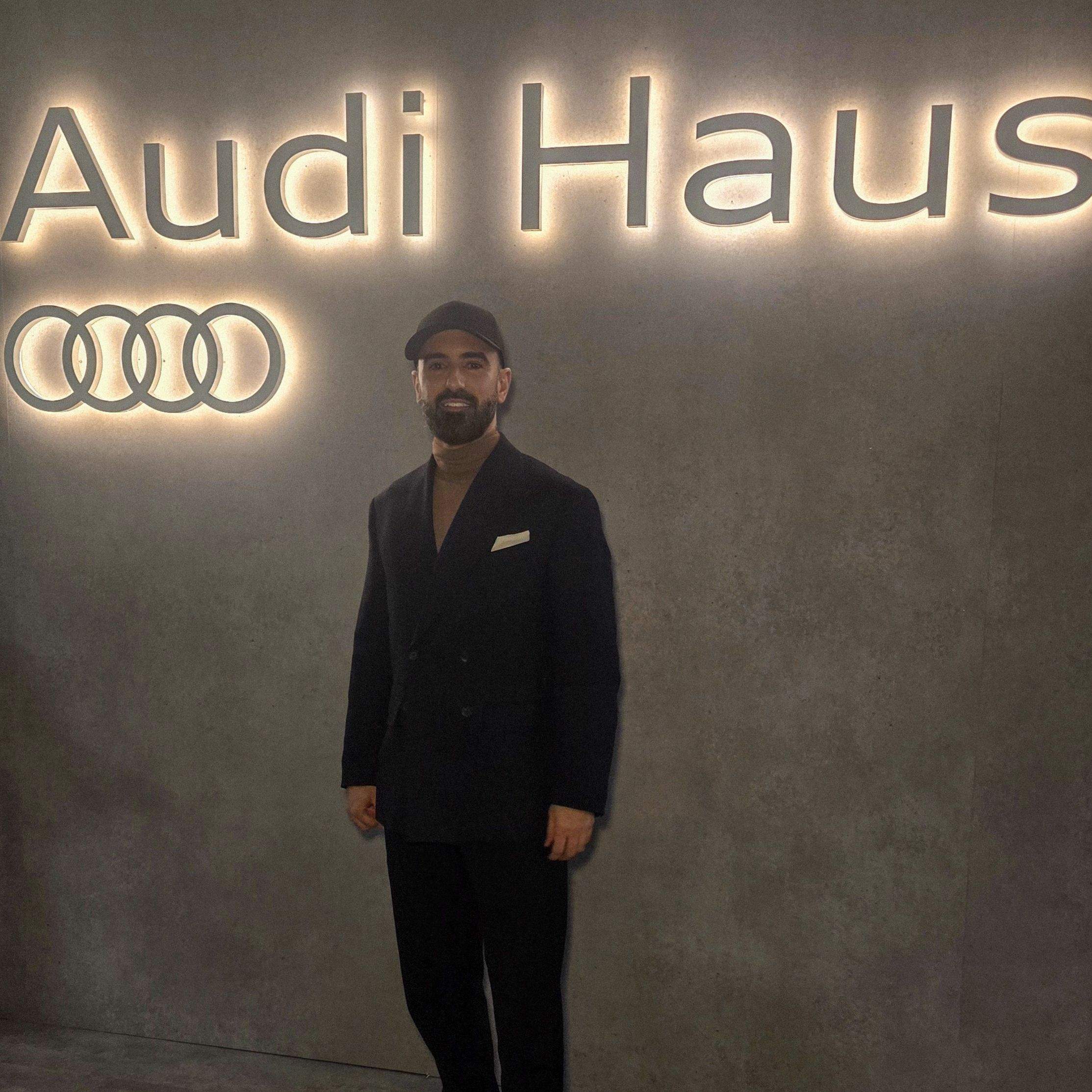
So, when the wonderful team at Narrative XPr invited me to the VIP Opening Night of Audi Haus at the Canadian International AutoShow, I was thrilled to attend!

The Cinematic Reveal
The evening was designed with an impeccable sense of theatre. Located in a massive 10,000-square-foot immersive space, a set of hidden doors seamlessly opened, guiding us into another lit room. Audi Haus' experiential exhibition was designed by Omar Gandhi Architects (Jeff Shaw, Omar Gandhi).
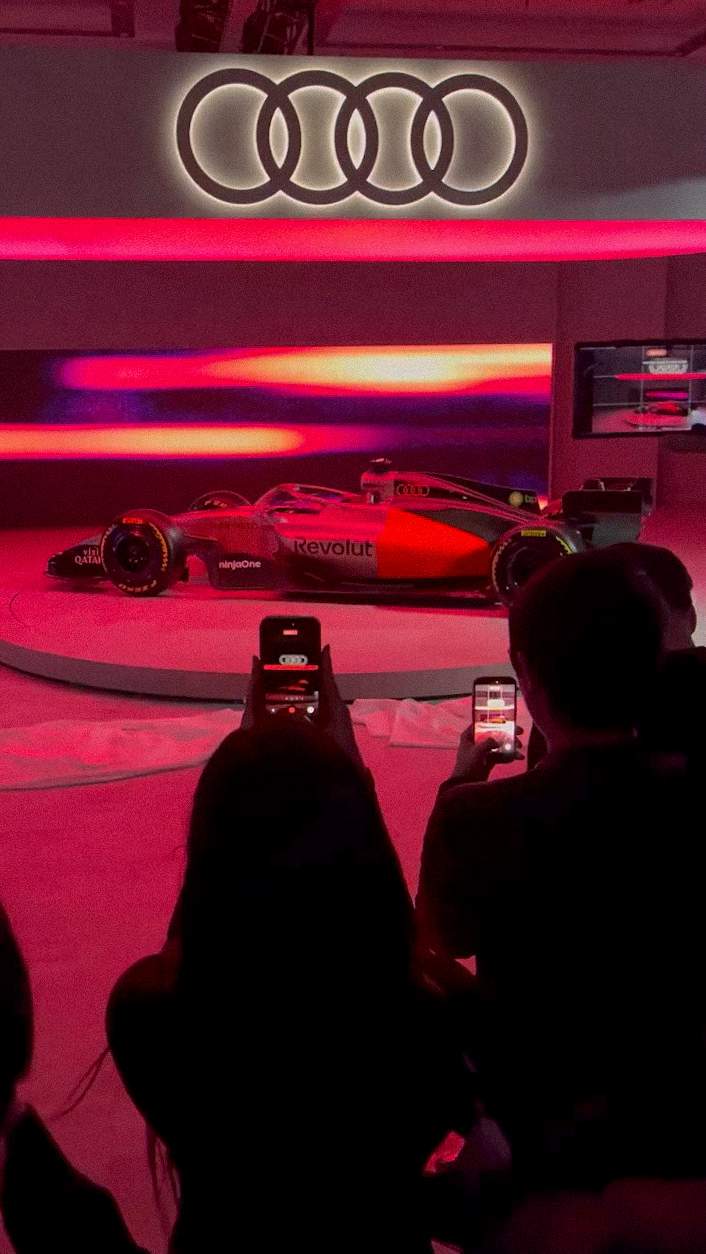
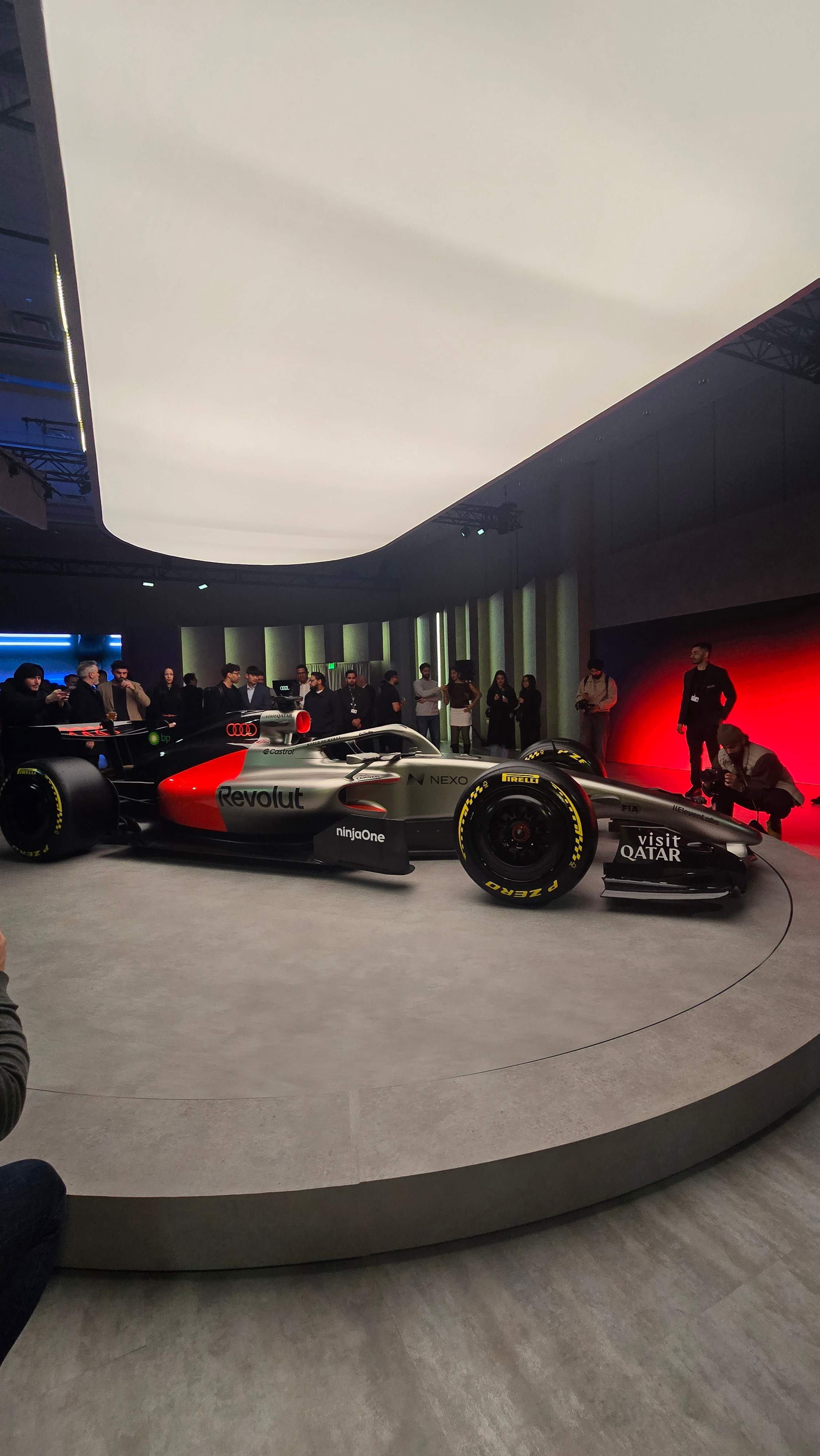
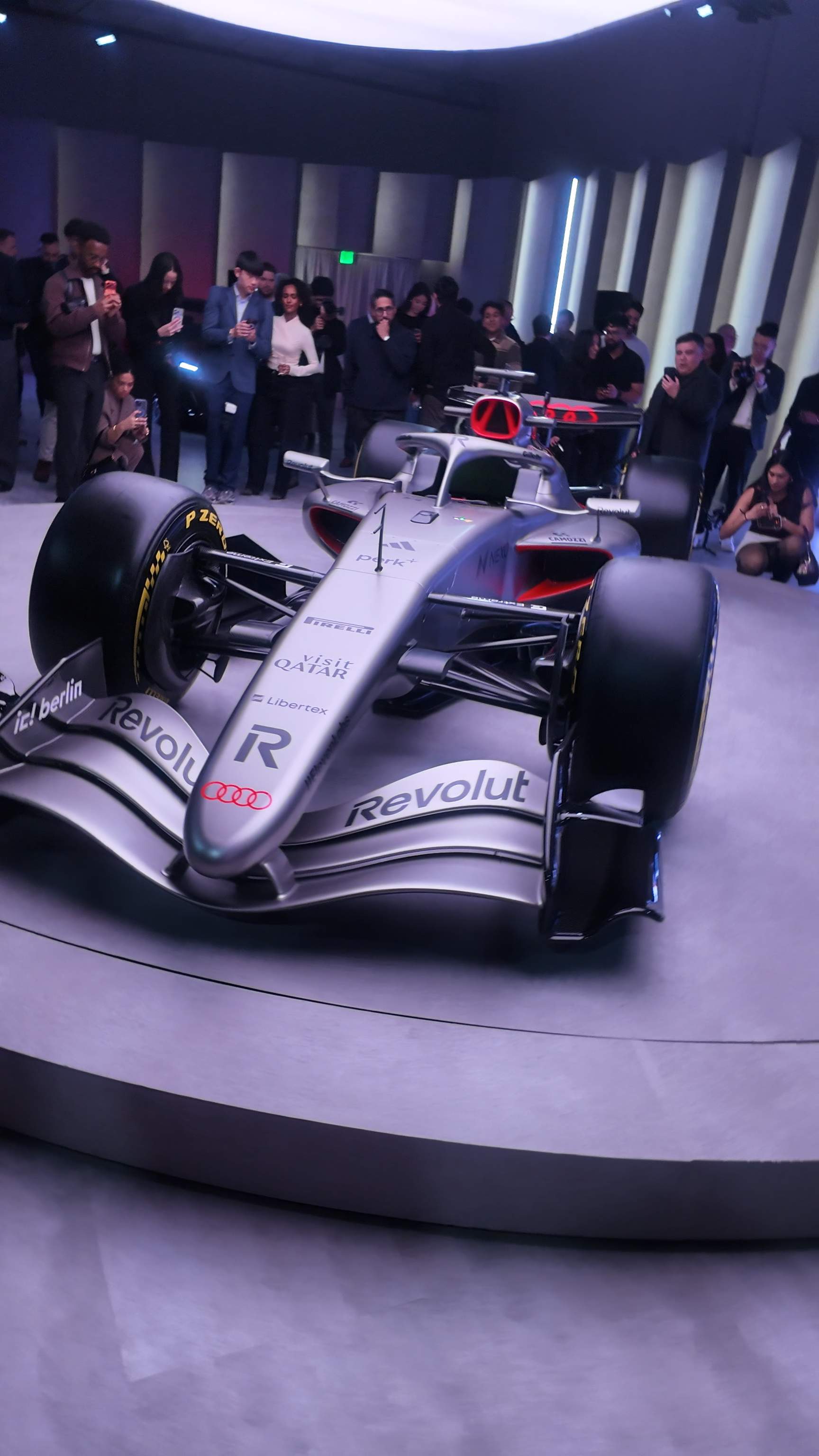
After a presentation, a dramatic curtain dropped to unveil the star of the evening: the Canadian debut of the Audi R26 Concept Car!
Audi is gearing up for its very first Formula 1 season as a full factory "works" team in 2026, and seeing this machine in person was breathtaking. But true to form, I couldn’t just look at the aesthetics - I went home and immediately started researching the engineering behind.

The Anatomy of an F1 Car (For Car Experts)
What fascinated me most about the R26 is its highly efficient, lightweight design and its shift toward electrification. For the 2026 season, new racing regulations mandate that cars must shed 30 kilograms, dropping the minimum weight limit down to just 768kg. To put that into perspective, that strict weight limit actually includes the driver!
Hitting this weight target is an absolute engineering marvel. Why? Because while the cars are forced to get lighter, their electrical systems are getting massively heavier. The 2026 cars feature a 50/50 power split between a 1.6L V6 turbocharged combustion engine and an electric motor. To achieve this, the car's kinetic energy recovery system (MGU-K) has been boosted by nearly 300%, jumping from 120kW to 350kW. Batteries and electric motors add significant mass, making this weight reduction a massive headache for engineers - in fact, there are rumors that some rival teams are currently sitting more than 15kg overweight!
To achieve this feather-light weight without compromising safety, the R26 relies on a meticulously molded carbon fiber composite structure. From the aerodynamic bodywork to the driver's indestructible "survival cell," carbon fiber allows the car to withstand immense crash forces - passing even stricter 2026 safety tests, like the roll hoop load increasing from 16G to 20G - while remaining astonishingly light. In racing, every single gram matters; less mass means faster acceleration, later braking, and far more agile, dynamic wheel-to-wheel battles on the track.
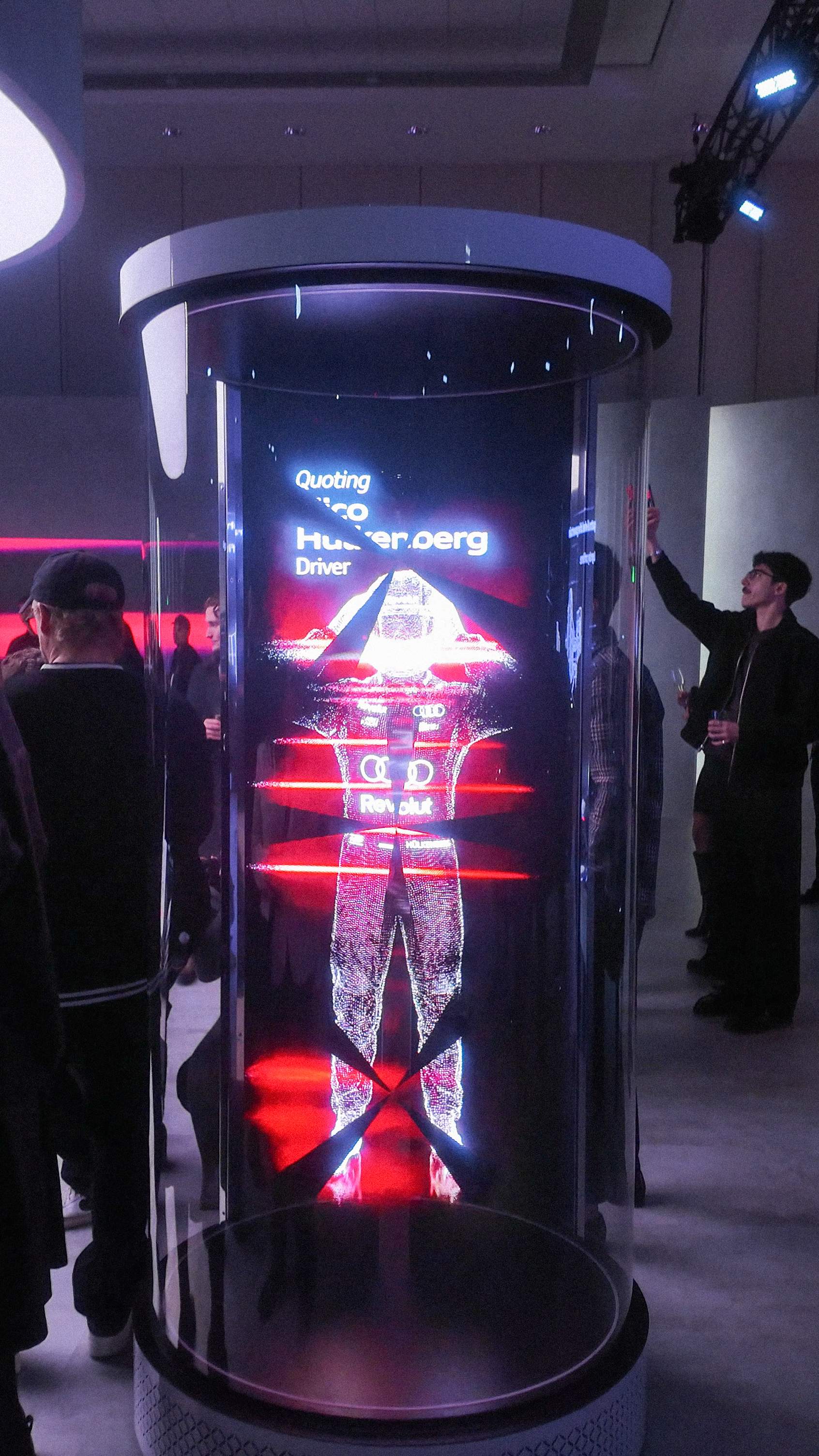
Taking the wheel of this engineering marvel will be Nico Hülkenberg. Bringing that level of veteran experience to a brand-new factory team is exactly the kind of strategic brilliance I love to see.
The Anatomy of F1 (For the Non-Experts!)
If you are like me and get a little lost when people start throwing around automotive jargon, let me translate what makes the engineering of the R26 so mind-blowing.
Think of building a 2026 F1 car like trying to pack for a month-long trip, but you are only allowed a single, ultra-light carry-on bag - and you have to fit inside it, too. For the 2026 season, new racing rules force the cars to lose weight, dropping the minimum limit down to just 768 kilograms (approx 1700 lbs). To put that in perspective, that incredibly light weight limit actually includes the driver!
Here is where the engineering gets crazy: they have to make the car lighter while simultaneously adding a massive, heavy electric battery. The R26 operates on a perfect 50/50 power split. Half of its power comes from a traditional combustion engine, and the other half comes from a supercharged electric motor. In fact, the electric power on these new cars has nearly tripled compared to older models, jumping from 120kW up to 350kW. It is basically an engineering paradox to pack that much heavy electrical power into a vehicle while forcing it to go on a strict diet!
SO, HOW DID THEY DO IT? The secret is in the car's "skeleton." The R26 isn't made of heavy steel; it is built entirely from a carbon fiber composite featuring a special honeycomb structure. Imagine a woven material that is lighter than plastic but vastly stronger than metal. This allows the car to be feather-light for blistering speeds, while simultaneously creating an indestructible "survival cell" to keep the driver perfectly safe during a crash.
Speaking of the driver, taking the wheel of this futuristic machine is Nico Hülkenberg. He is a veteran racer with over 250 Formula 1 races under his belt. Bringing someone with that much experience to help pilot a brand-new, highly complex hybrid car is exactly the kind of smart strategy I love to see!

Track Tech for the Everyday Road
The most beautiful takeaway from the evening was learning that an F1 car is essentially a high-speed laboratory. The technology they pioneer on the track eventually makes its way into the consumer cars we drive every day.
We saw this firsthand with the other vehicles on display:
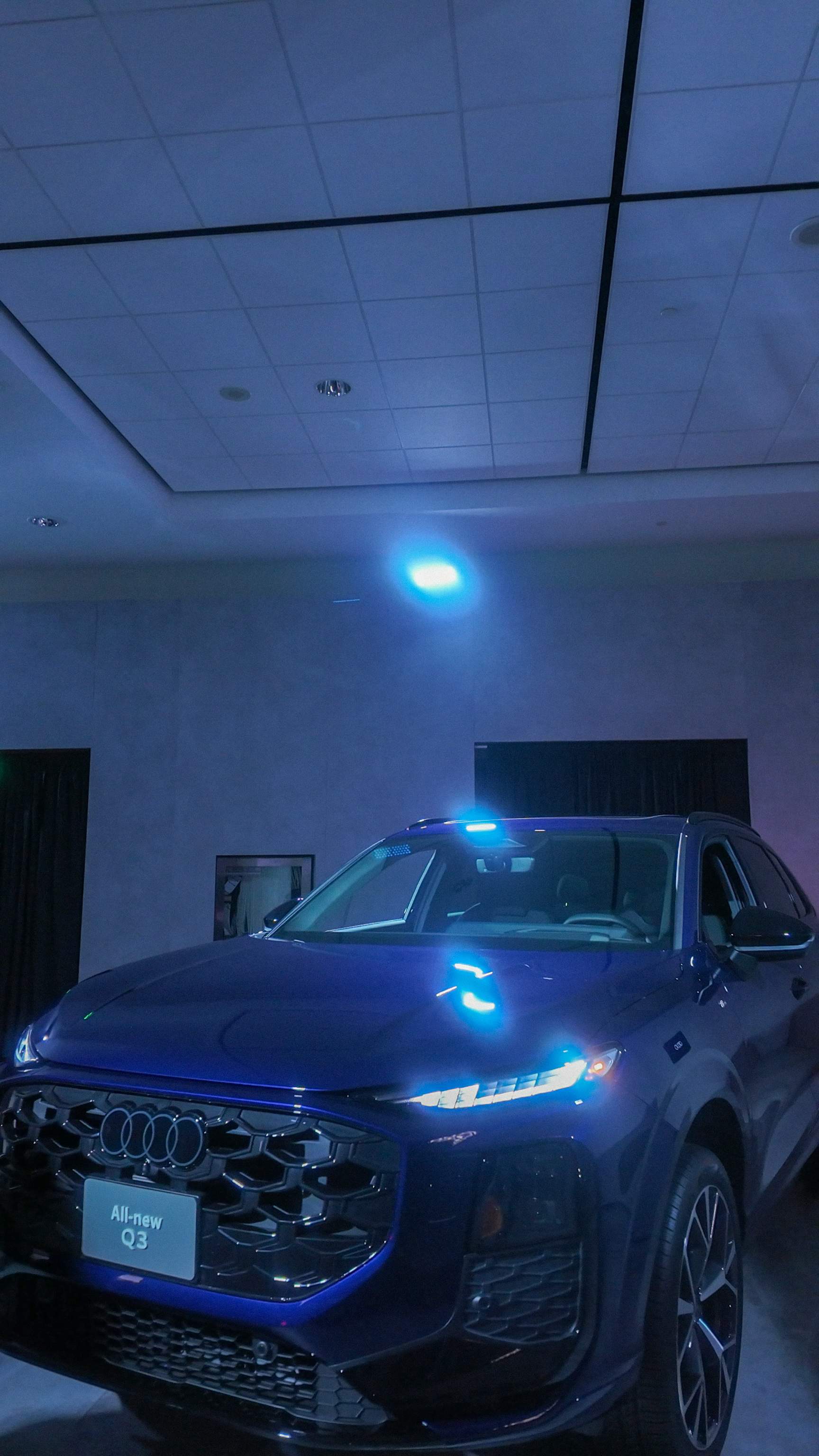
The All-New Audi Q3: The lighting technology on this SUV blew my mind. It features a micro-LED module with 25,600 individual micro-LEDs per headlight. This system is so advanced that it functions almost like a video projector, capable of projecting warning signs and lane markers directly onto the road in front of you.
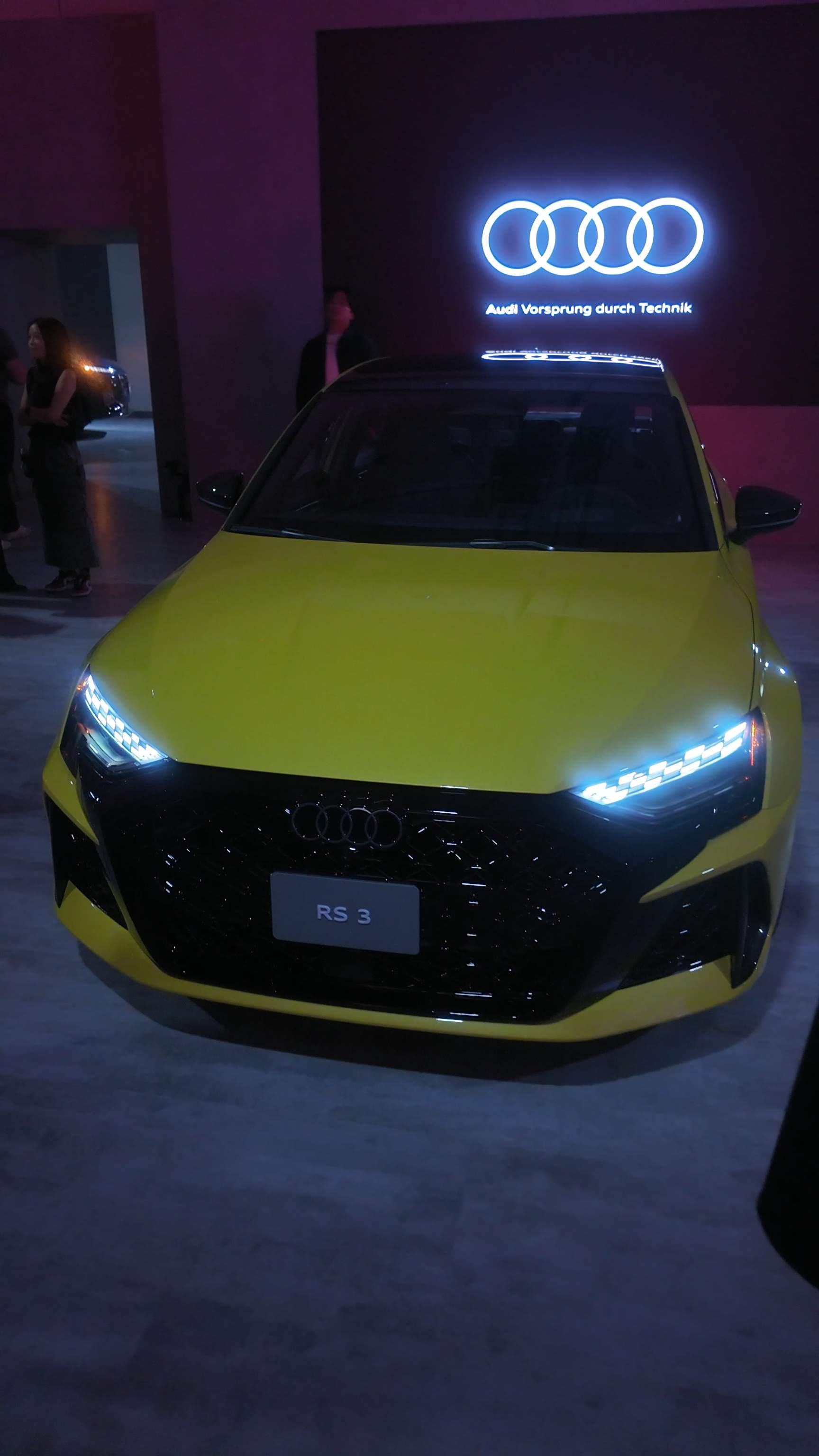
The Audi RS3: For those who love performance, this car is a masterpiece. It houses a 2.5-liter, 5-cylinder engine pushing 401 horsepower. What makes it truly special is its unique 1-2-4-5-3 cylinder firing sequence, which gives the car a deep, organic, and incredibly distinctive sound. It also uses an advanced "RS torque splitter" to independently distribute power between the rear wheels, allowing it to corner with unbelievable agility.
Track Tech for the Everyday Road (for Non-Experts!)
The most beautiful takeaway from the evening was learning that an F1 car is essentially a high-speed laboratory. The technology they pioneer on the track eventually makes its way into the consumer cars we drive every day. We saw this firsthand with the other vehicles on display, and the tech is absolutely mind-blowing.
The All-New Audi Q3: The Video Projector Headlights Think of the headlights on this SUV not just as lightbulbs, but as high-definition movie projectors. It features "Digital Matrix LED" technology. This means there are 25,600 tiny, individually controllable micro-LEDs packed into each headlight. Because there are so many tiny pixels of light, the car can literally project warning signs, arrows, and lane guidance directly onto the pavement in front of you.
It is also incredibly polite! The system uses cameras to detect oncoming traffic and automatically turns off only the specific micro-LEDs that would blind the other driver, while keeping the rest of your road perfectly illuminated. You never have to manually adjust your high beams again.
The Audi RS3: The Engine with a Heartbeat If the Q3 is a visual masterpiece, the RS3 is a masterpiece of sound. It houses a legendary 2.5-liter, 5-cylinder engine pushing a massive 401 horsepower.
For the non-experts, most car engines have an even number of cylinders (like 4 or 6) that fire in a perfectly balanced rhythm. Because the RS3 has an odd number (5), it uses a very specific "1-2-4-5-3" firing order. This means the engine cylinders are firing in an alternating pattern, essentially skipping beats on purpose. This precise rhythm creates a deep, throaty, and aggressive roar that you can actually feel in your chest. It is a total cult classic among car enthusiasts because it doesn't sound like a machine- it sounds alive! VROOM VROOOOOOM!
I walked into Audi Haus as someone simply curious to learn more about Audi + their cars
and I walked out so deeply inspired by the passion and engineering that I immediately pre-ordered the Lego Audi R26 F1 car!
I have always loved miniatures, but until now, the only collectible car I owned was a tiny pink Cadillac.
I think it's safe to say that Audi has officially recruited a new Formula 1 fan. It was a beautiful reminder that stepping outside of your comfort zone and leading with curiosity is the ultimate luxury.
A huge thank you again to Narrative XPr and Audi Canada for having me!




🔗 Sources & Further Reading:
If you are an innovation nerd like me and want to go down the same research rabbit hole, here is where I learned all the facts for this post!
The R26 F1 Powertrain & Specs: Audi F1 Team 2026: The R26 Reveal & Future of Racing (Audi of Kingston)
Audi's F1 Operations & Nico Hülkenberg: Formula 1® Official Audi Portal (Audi.com)
The 2026 Driver Lineup: Team Preview: Audi – All you need to know ahead of 2026 (Formula1.com)
The Q3 Micro-LED Lighting: Safety in the Details: Lighting Design in the 2026 Audi Q3 (Audi Silver Spring)
The RS3 5-Cylinder Engine: 50 Years of the Audi Five-Cylinder (Audi MediaCenter)
Audi Haus at CIAS: Audi levels up at the Canadian International AutoShow with its R26 F1 concept debut (View The Vibe)