
QJD Markham Review: Best Authentic Peking Duck in the GTA
Growing up Hong Kong-Canadian, Peking duck has always been the celebration meal. Not just a dish - a ritual. Birthdays, milestones, any excuse to gather the family and mark a moment with something that feels worthy of the occasion.
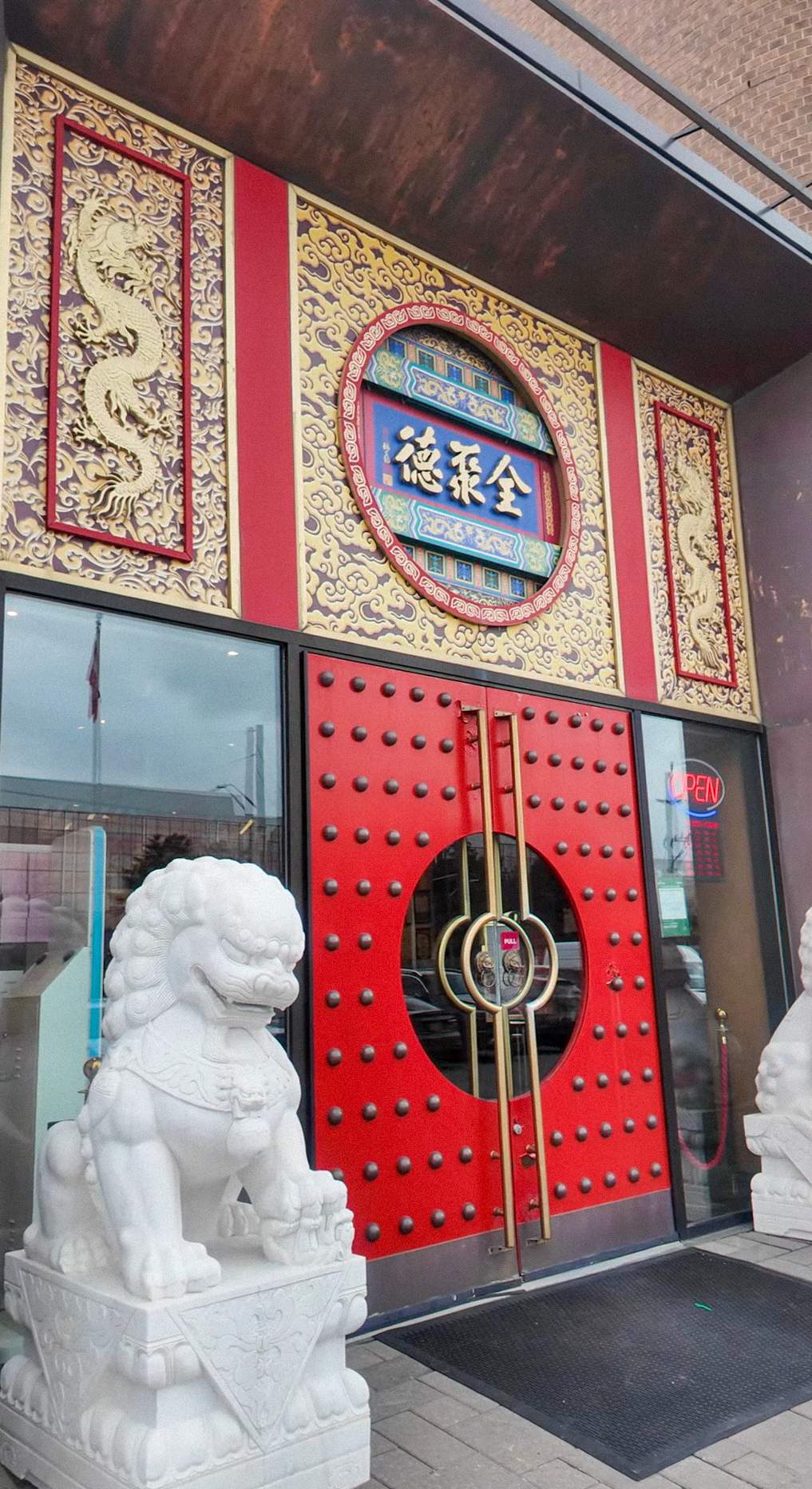
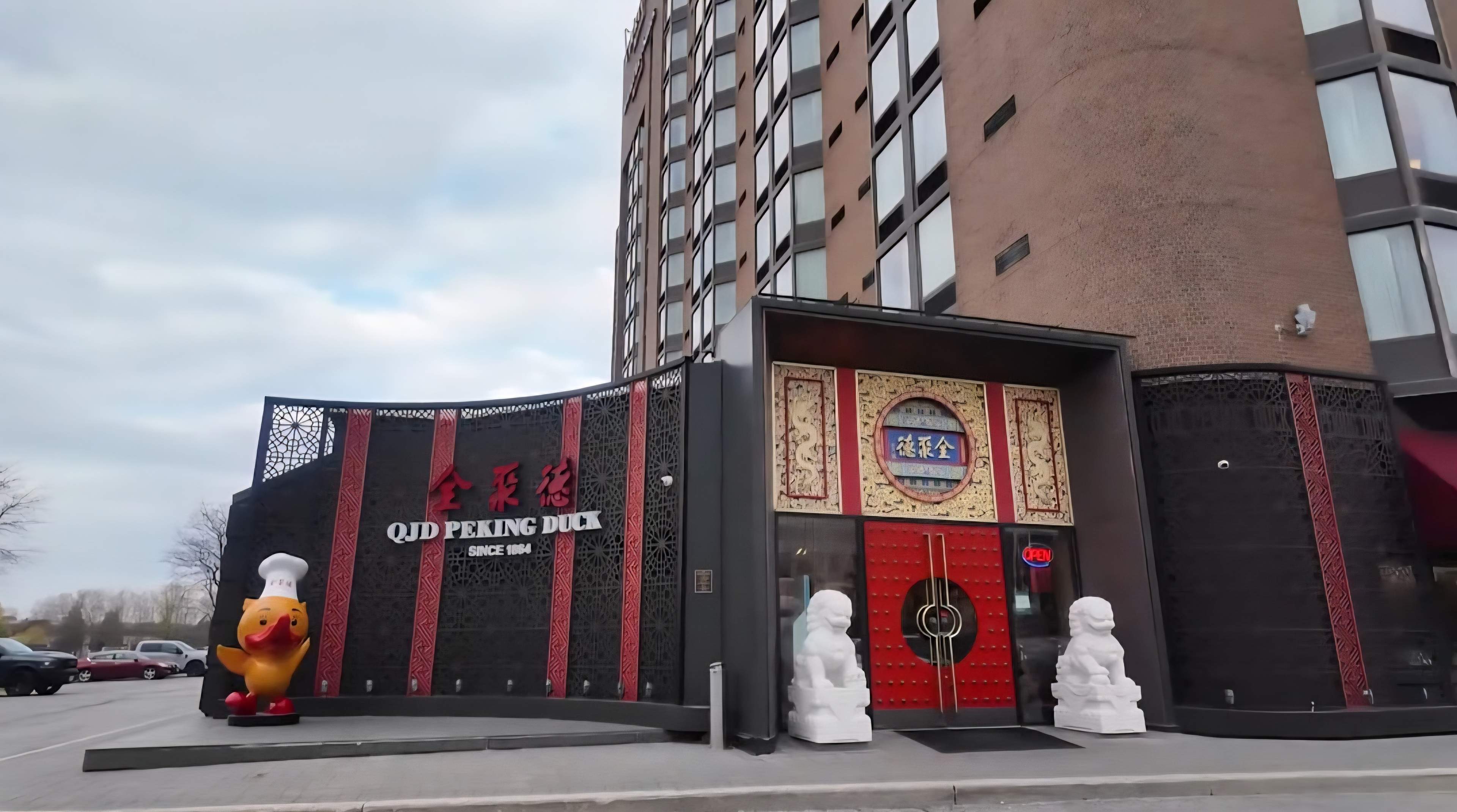
So when QJD Peking Duck - the legendary Beijing institution founded in 1864 - opened a Markham location, I HAD to bring my mom.
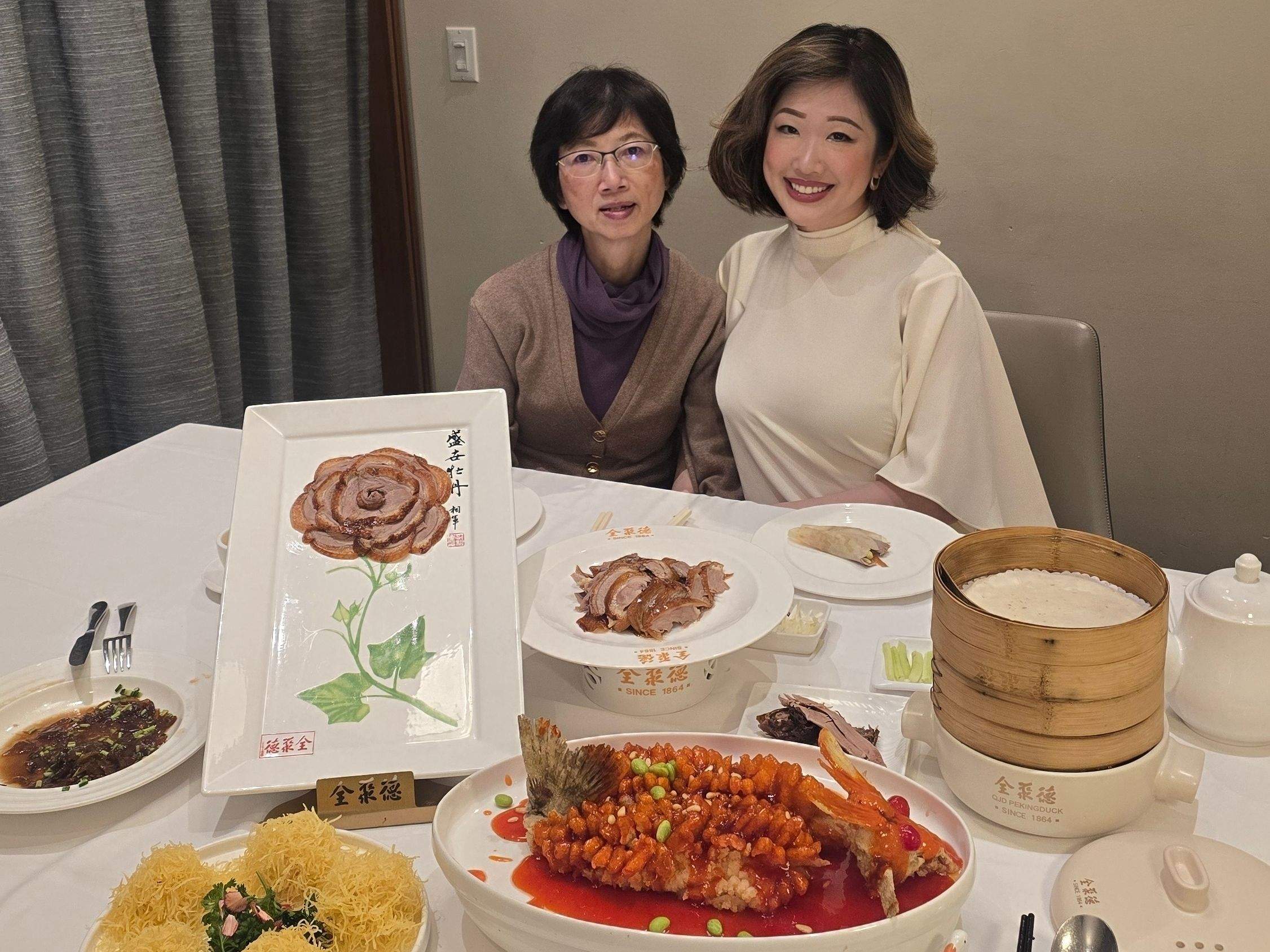
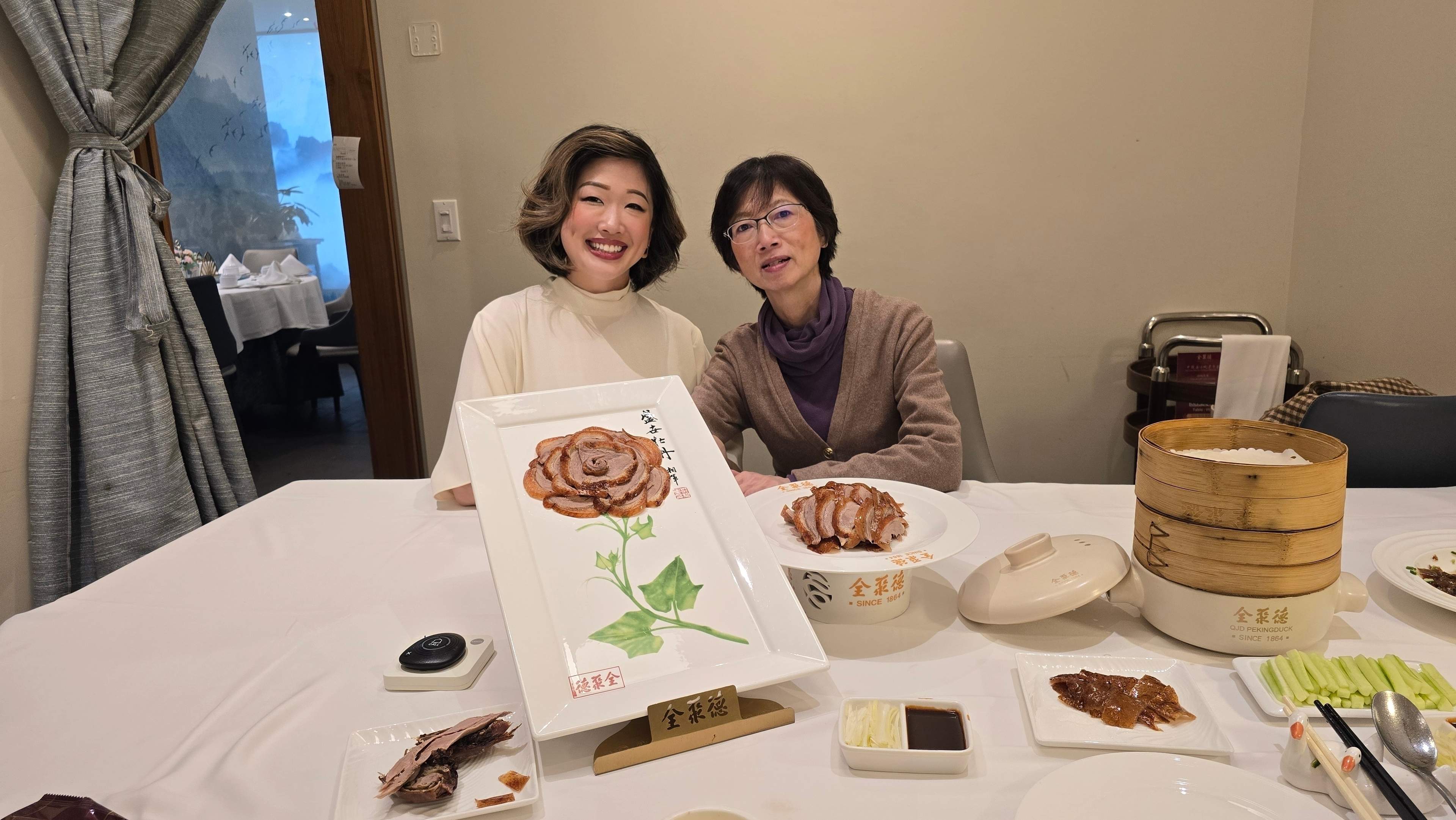
This was by far, one of our favourite mother-daughter outings in recent memory: a private dining room for four, a small gong tapped by Mom with great dignity, duck carved tableside into a blooming peony flower, and a meal that confirmed what generations of diners before us already knew. This duck is on another level.
A Dish 700 Years in the Making
Before we get to the gong, let's talk about why Peking duck carries the weight it does - because the history is extraordinary!
The dish had its earliest beginnings in the Yuan Dynasty (1271–1368), when the Mongol Emperors ruled China. The oldest documented recipe appears in a 14th-century imperial cookbook written by the emperor's official court dietitian - a sign of how prized and closely guarded the dish was.
Peking Duck is believed to have originated in the Hangzhou and Nanjing regions of southern China, where roast duck was sold by street vendors and became a regional speciality. It was only after 1420, when the Yongle Emperor moved his capital to Beijing, that roast duck made its way north and became an imperial dish.
By the Qing Dynasty, Peking duck had evolved from royal secret to full-blown cultural icon. It began appearing in poetry and scholarly writing. World leaders dined on it. And in Chinese culture, duck symbolizes happiness and fidelity - making it a natural centrepiece for weddings, Lunar New Year feasts, and celebratory banquets. For Hong Kong families like mine, it's always been the dish that shows up when something worth celebrating has happened.
What makes it so technically special?
Authentic Peking duck preparation takes up to three days. The duck - a specific white Beijing breed - is cleaned, then air is pumped between the skin and flesh to create that signature separation. It's glazed with honey, hung to dry, and finally roasted in a specialized oven.
The result: skin that shatters like lacquered glass, meat that stays tender and juicy underneath. Traditionally sliced into 120 pieces and served tableside with steamed pancakes, sweet bean sauce, and fine strips of cucumber and spring onion.
Enter QJD (全聚德): The Restaurant That Perfected the Hung Oven Method
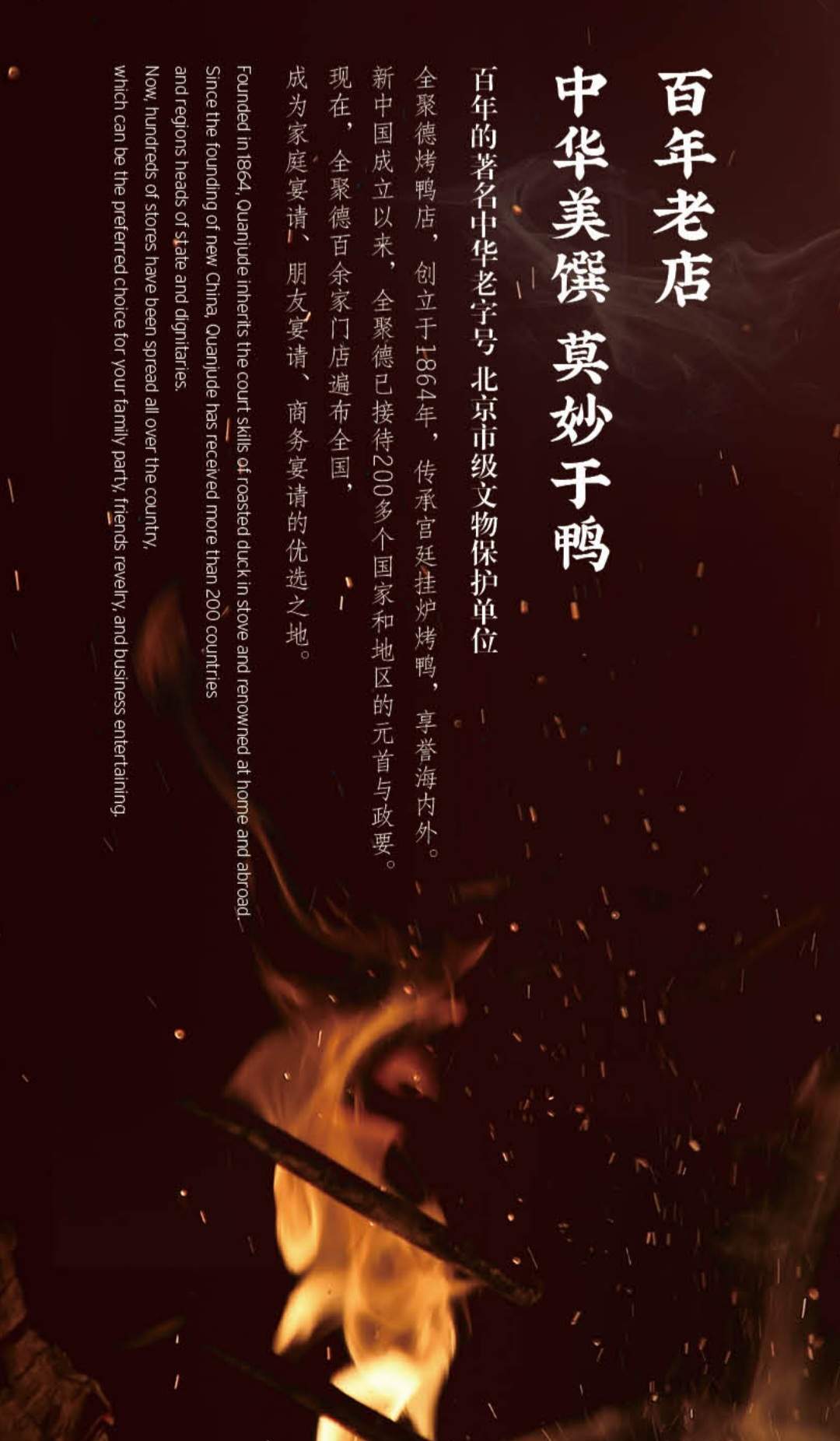
There are two great names in Peking duck history: Bianyifang (founded 1416, the oldest, using the traditional closed oven method) and Quanjude - known internationally as QJD, established in 1864 during the Qing Dynasty.
While Bianyifang roasts in a sealed brick oven, QJD perfected the open hung-oven roasting technique developed in the imperial kitchens - the style where whole ducks are suspended over the flame, resulting in that unmistakable purplish-red lacquered skin and the crispy-outside, juicy-inside texture QJD became famous for.
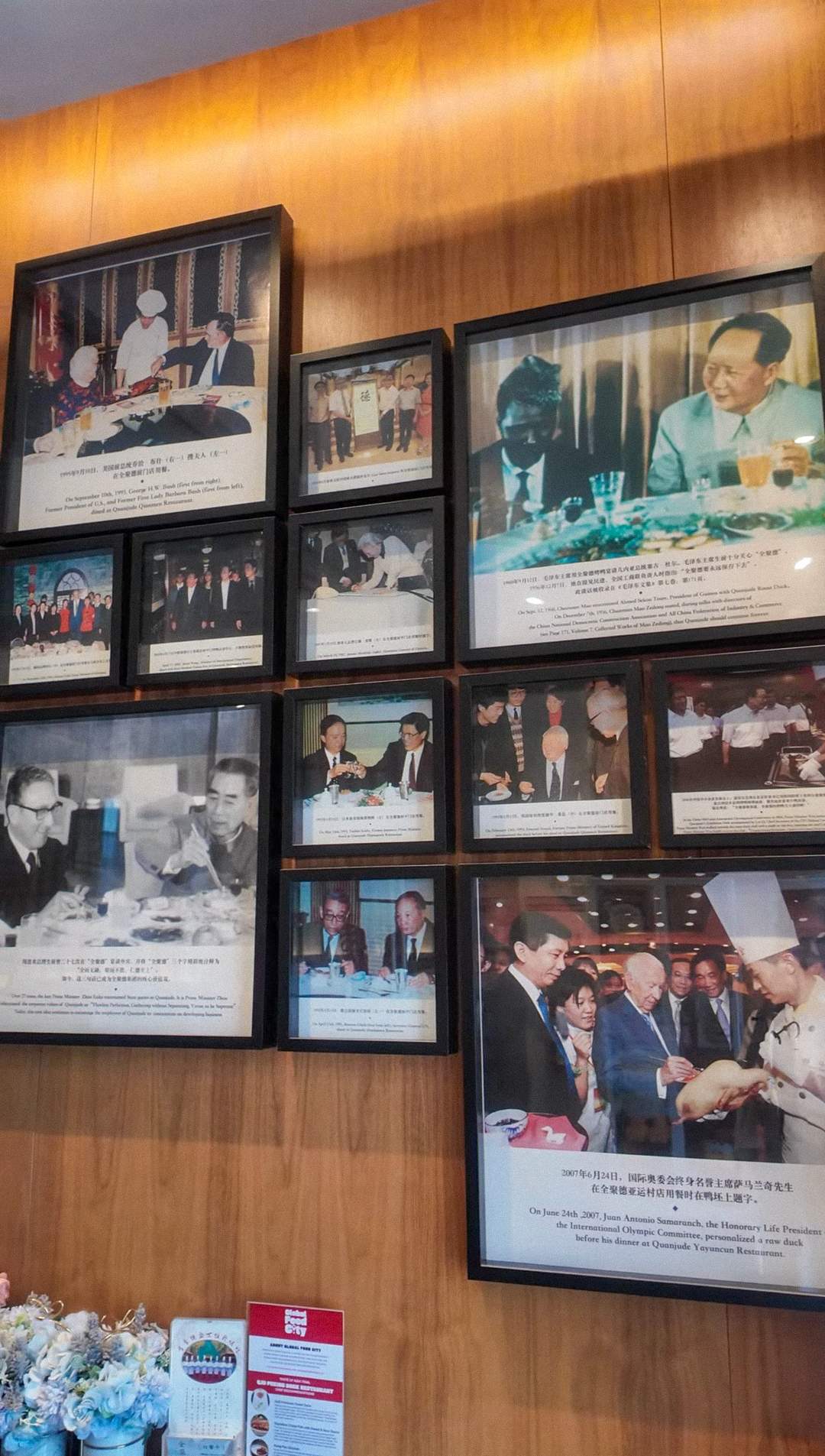
The restaurant's cultural footprint is staggering. QJD has hosted heads of state and dignitaries from more than 200 countries. George H. W. Bush, Fidel Castro, and Helmut Kohl have all dined there!
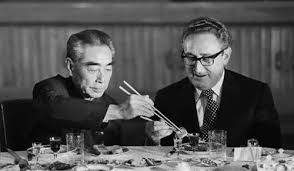
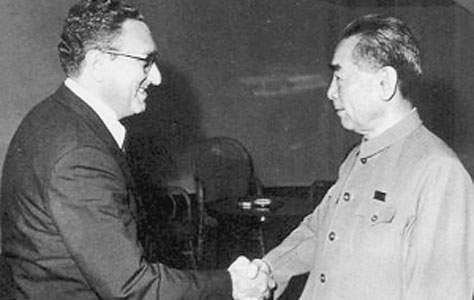
And in one of culinary history's best footnotes: during a secret 1971 visit, National Security Advisor Henry Kissinger dined on a 12-course meal at Quanjude featuring Peking duck, with Premier Zhou Enlai personally showing him how to wrap the duck in a crepe.
The very next year, Nixon flew to Beijing. That's the power of a good duck.
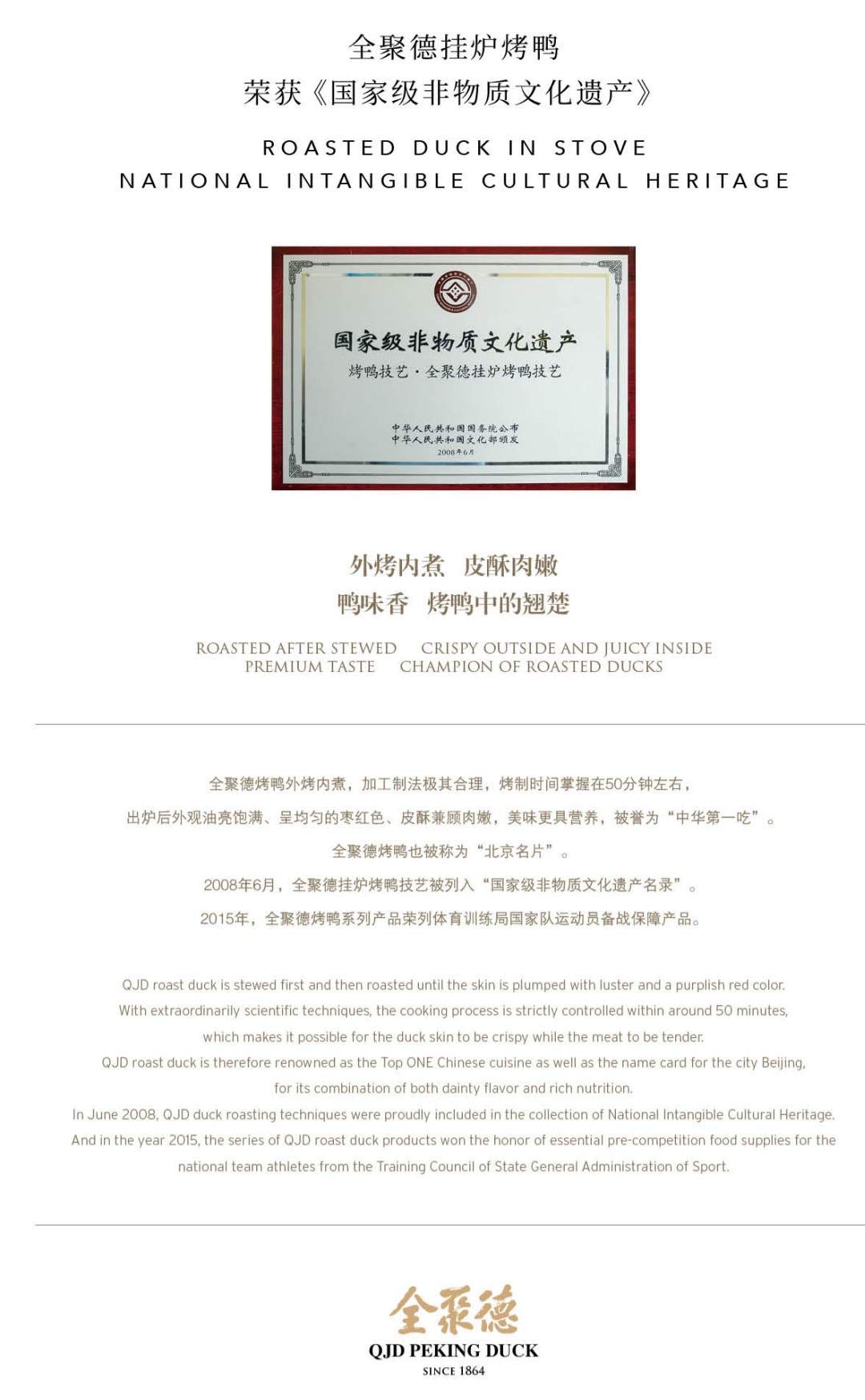
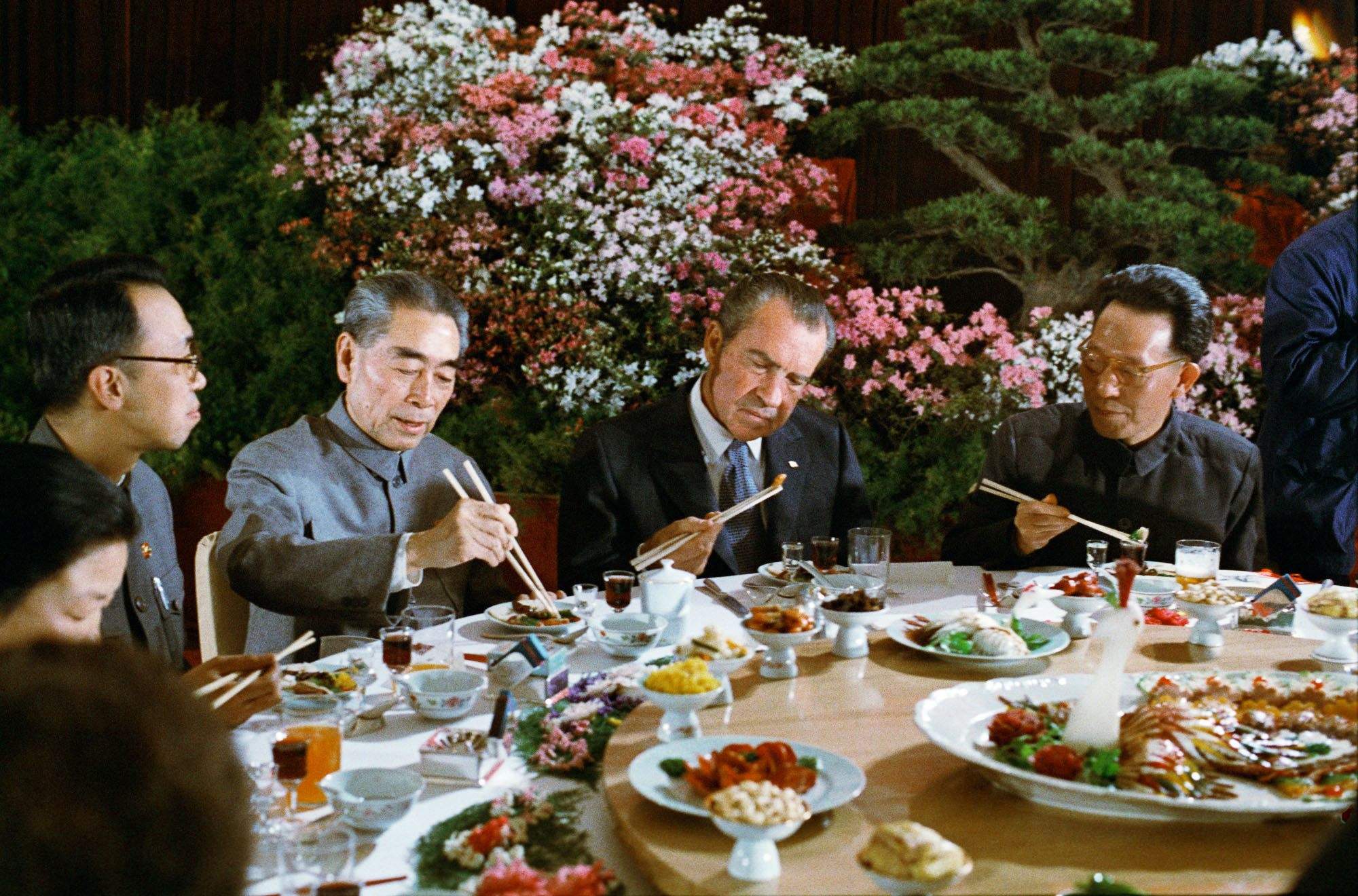
Premier Zhou Enlai hosted 27 state banquets at Quanjude. The restaurant has been awarded China Renowned Trademark status and its roasting technique was formally recognized as a National Intangible Cultural Heritage of China in 2008 - the culinary equivalent of UNESCO designation.
Now, that same tradition has landed in Markham, Ontario.
QJD Markham: The Experience
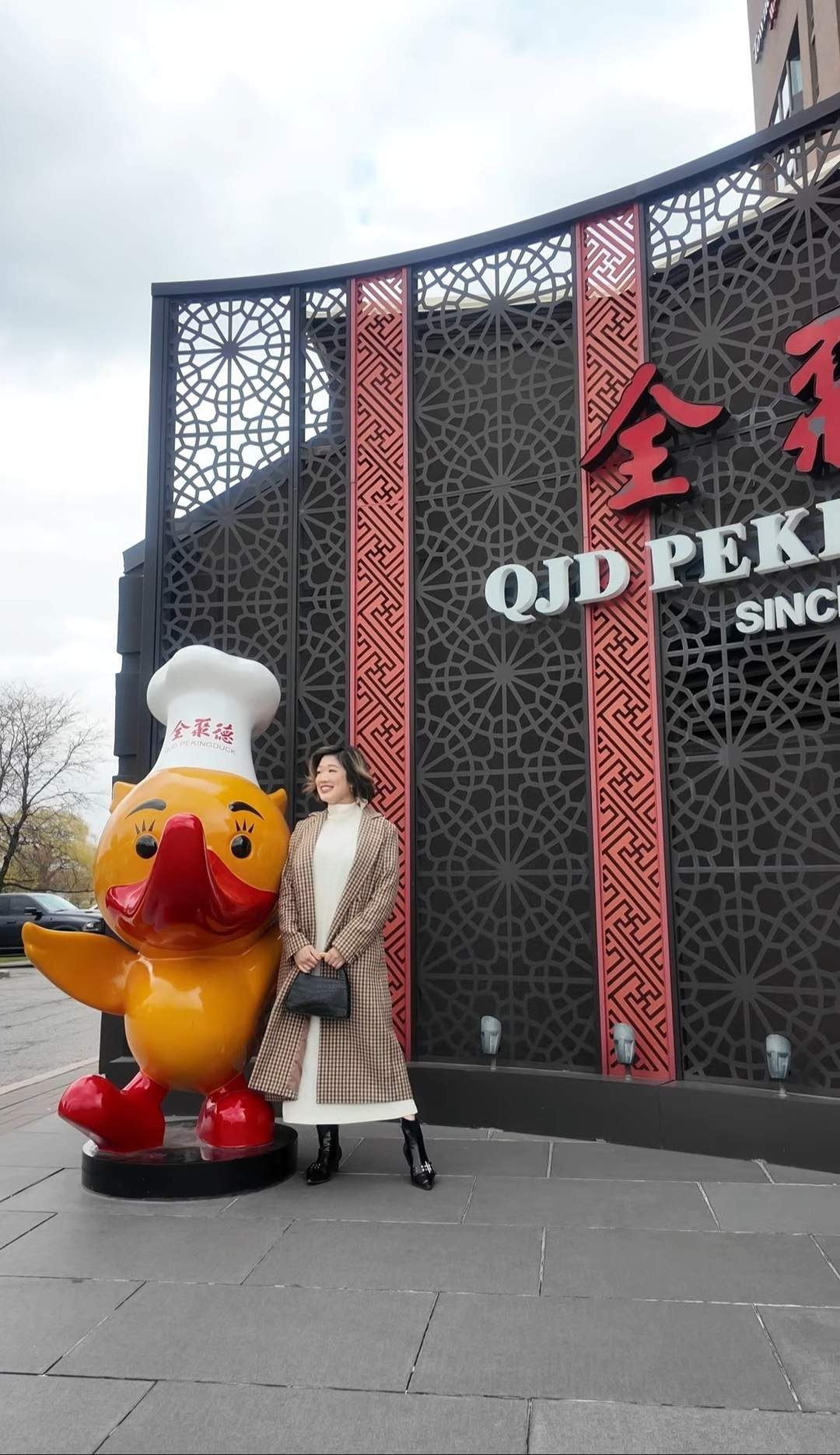
QJD Markham - being a Canadian Flagship, brings the full tradition - and then some.
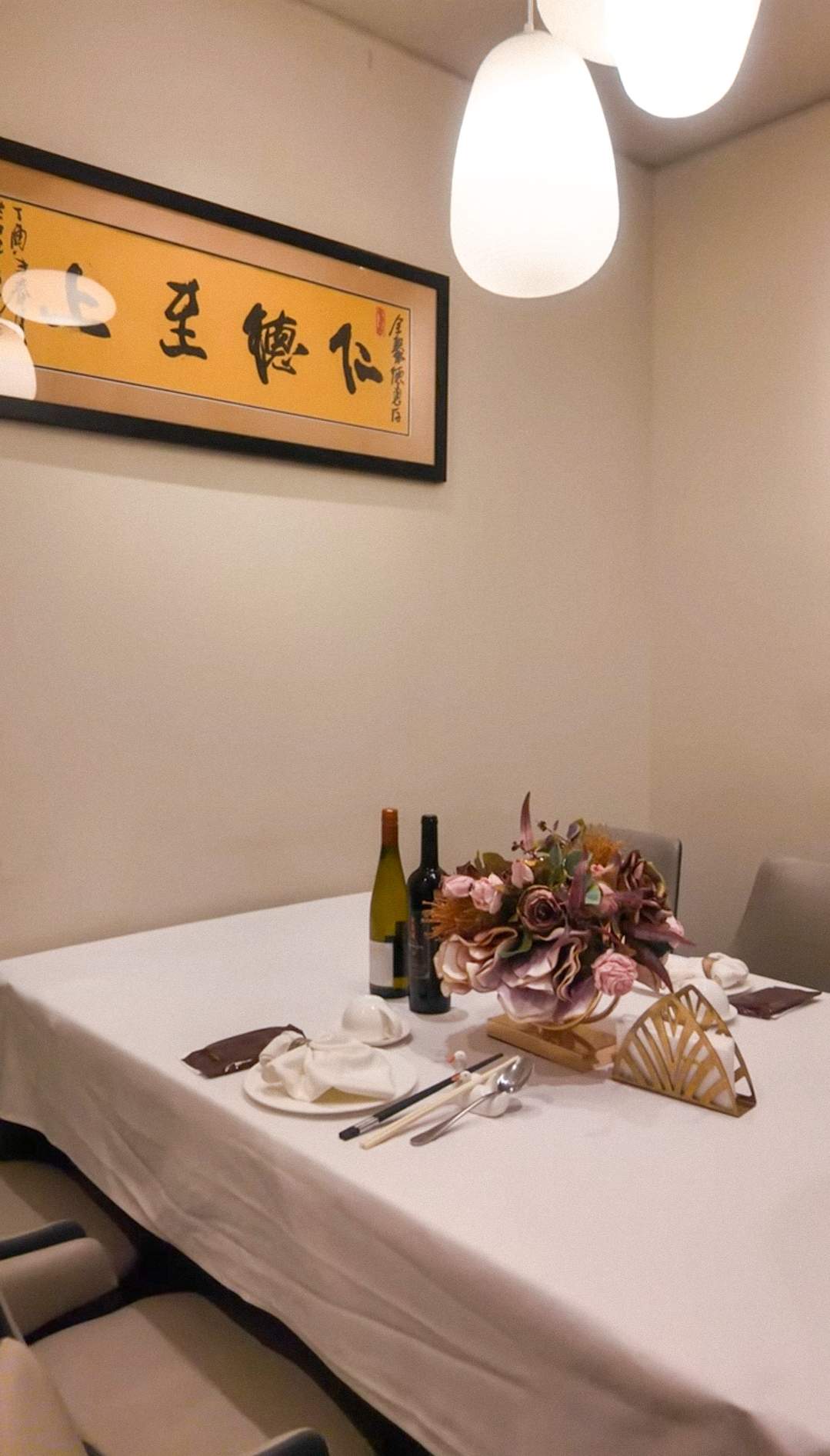
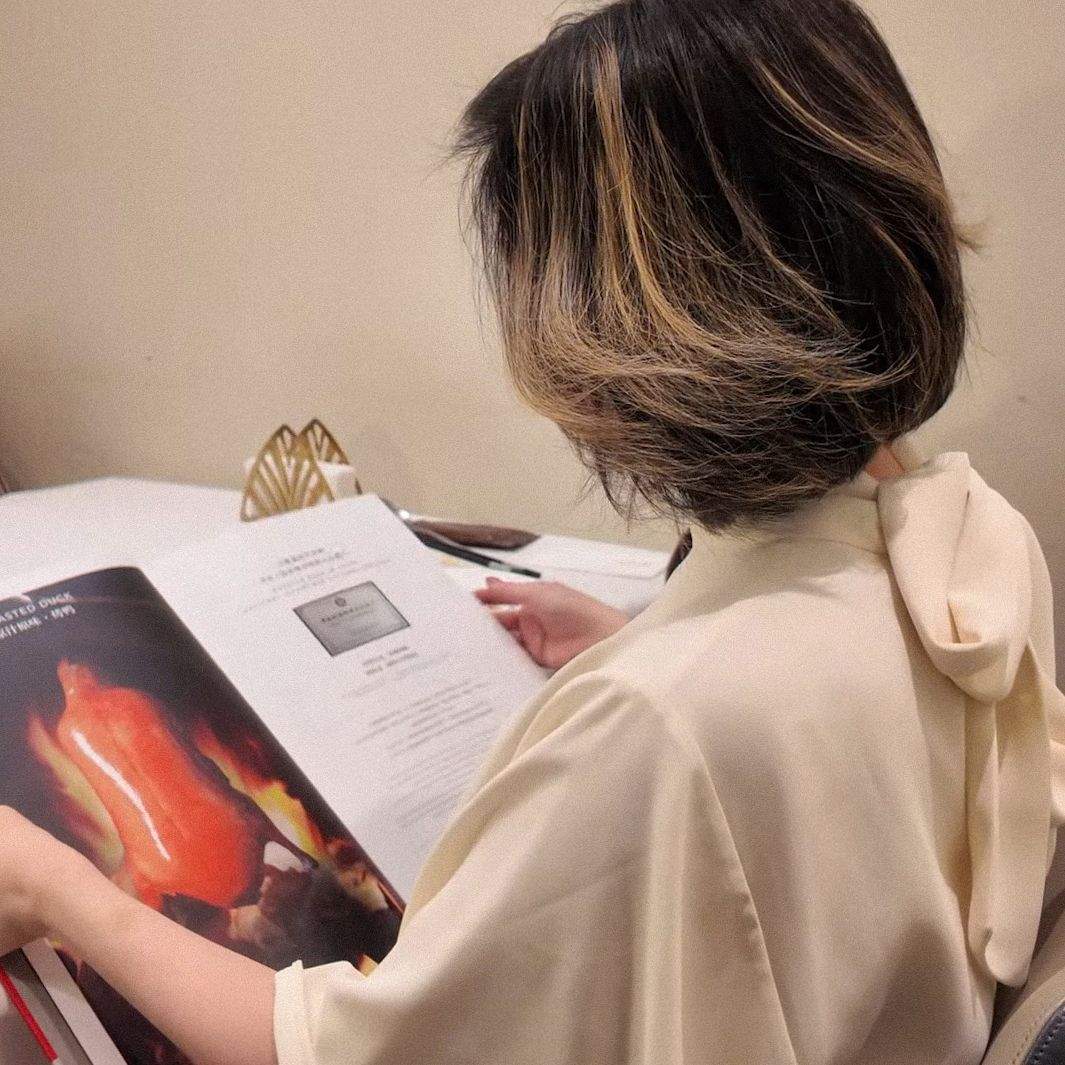
We were brought to an intimate private dining room seating just four people. Elegant, quiet, entirely ours. There was a small button on the table in case we needed anything. The service was so attentive we barely touched it - I rang it once, purely for the experience.
What We Ordered
Manager Daniel - warm, knowledgeable, clearly passionate about the food - helped us build our spread:
Appetizers:
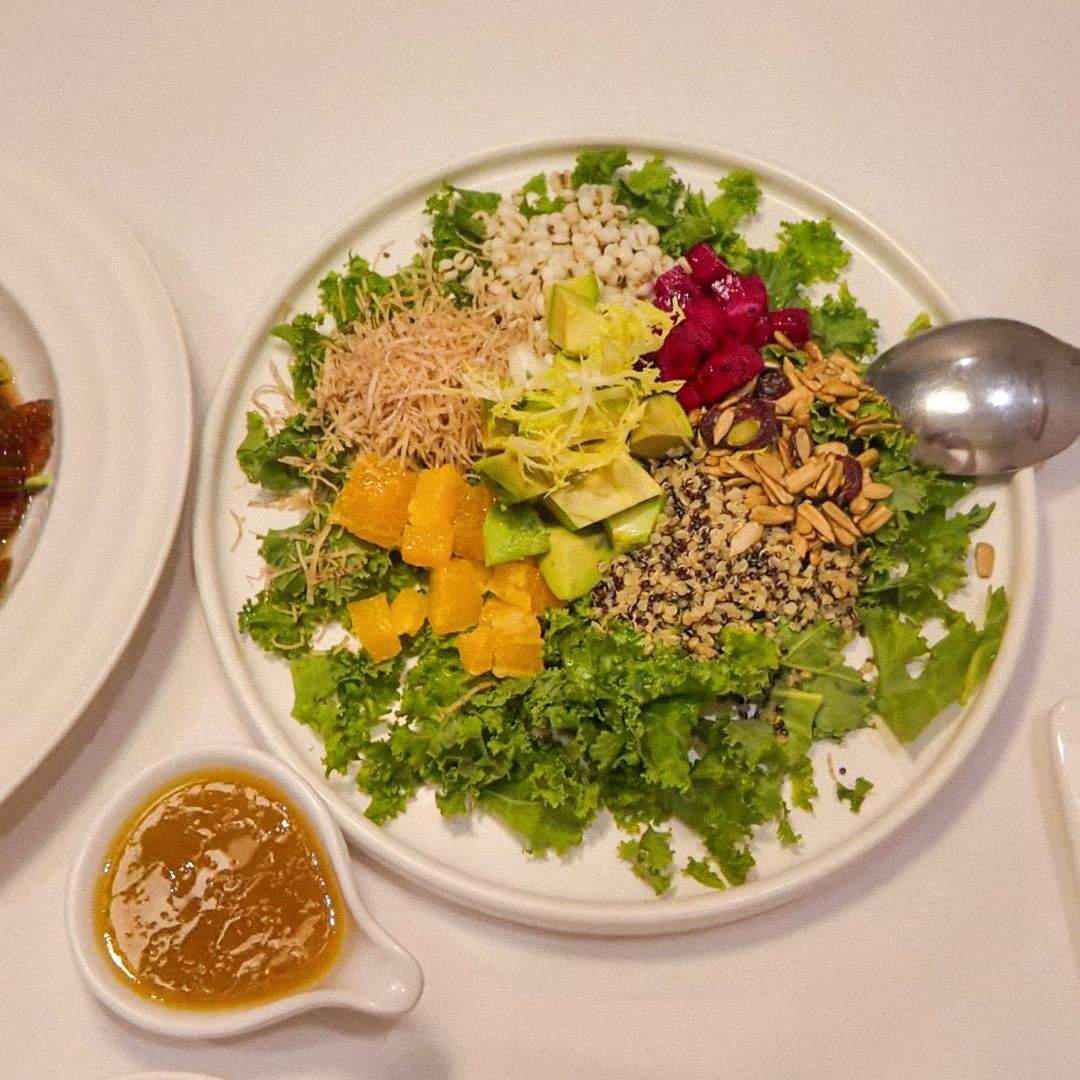
• Nutritious Salad - Kale, avocado, deep-fried taro, orange, red dragon fruit, quinoa, barley rice, mixed nuts. A gorgeous modern-meets-traditional opener.
• Marinated Jellyfish in Vinegar Sauce - A classic palate cleanser, perfectly executed.
Mains:
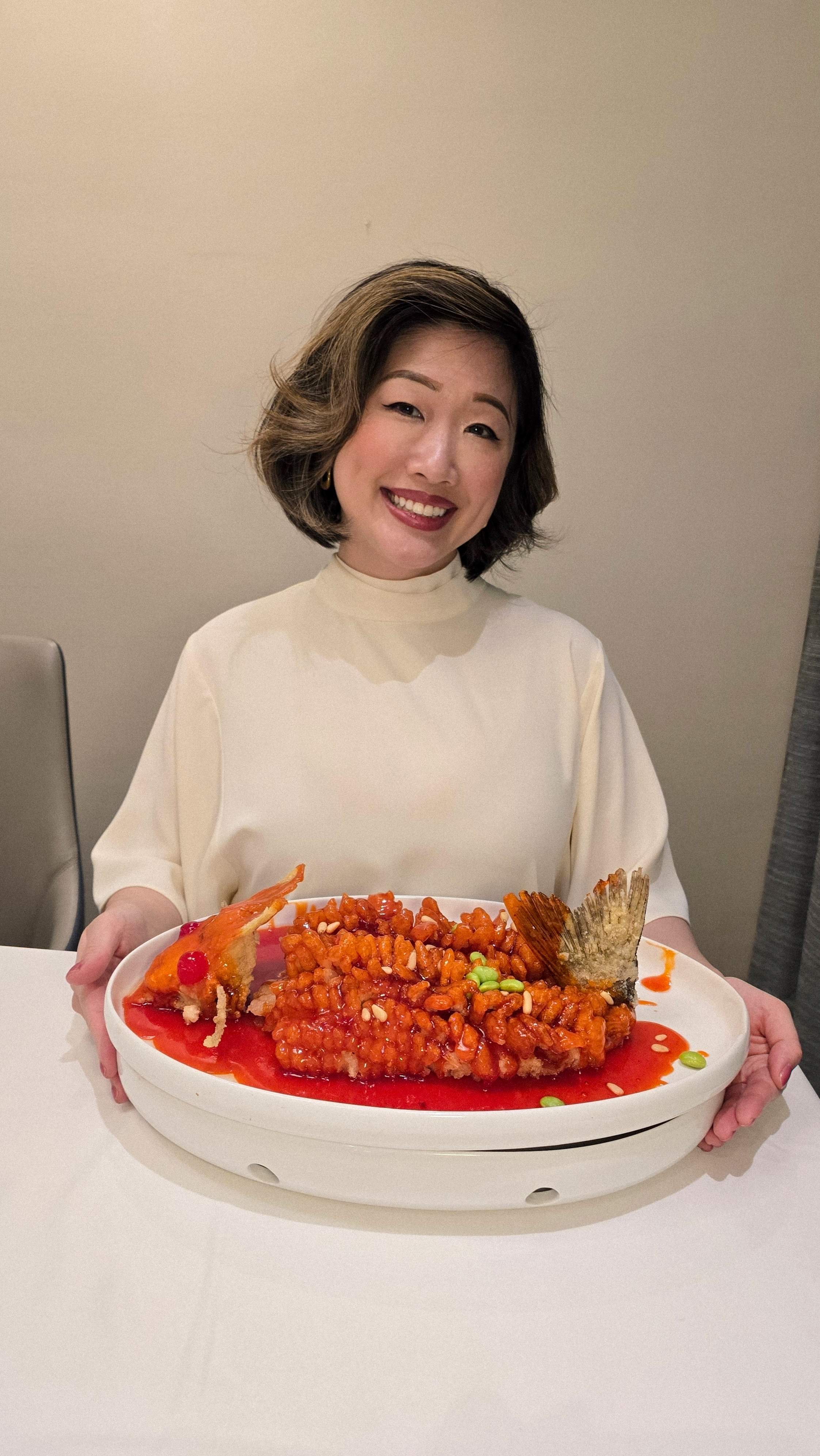
• Signature Crispy Fish with Sweet and Sour Sauce - this was a nice change from the usual sweet and sour pork, at Chinese restaurants!
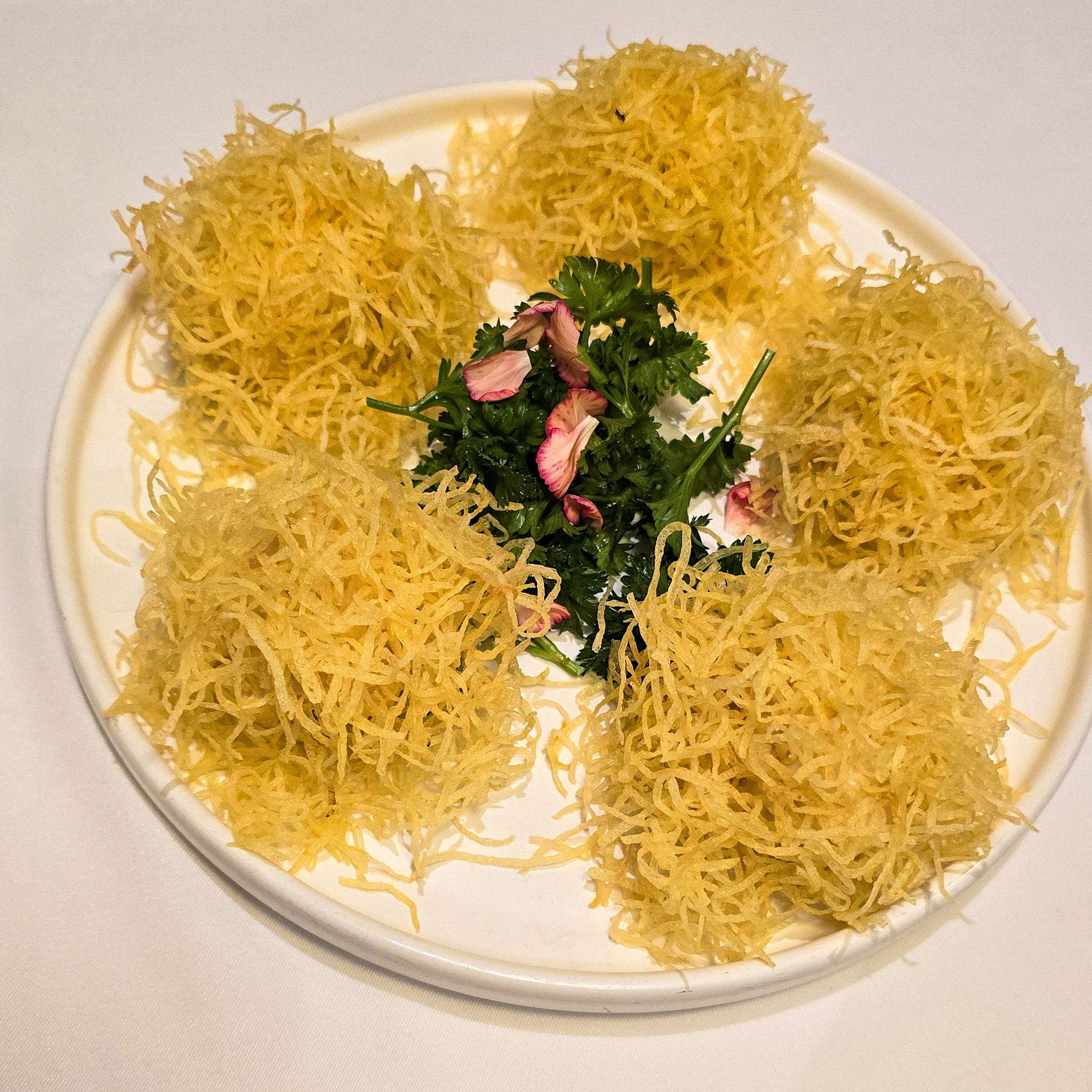
• Mustard Shrimp Balls (金缕芥末虾球) — Daniel's recommendation. Shrimp wrapped in delicate golden threads with a mustard-sweet compound flavour unlike anything I've had before. $42.99 for 10 pcs / $26.99 for 5. Do not skip these.
• QJD Premium "Peony Duck" Set — $128 — See below.
Dessert:
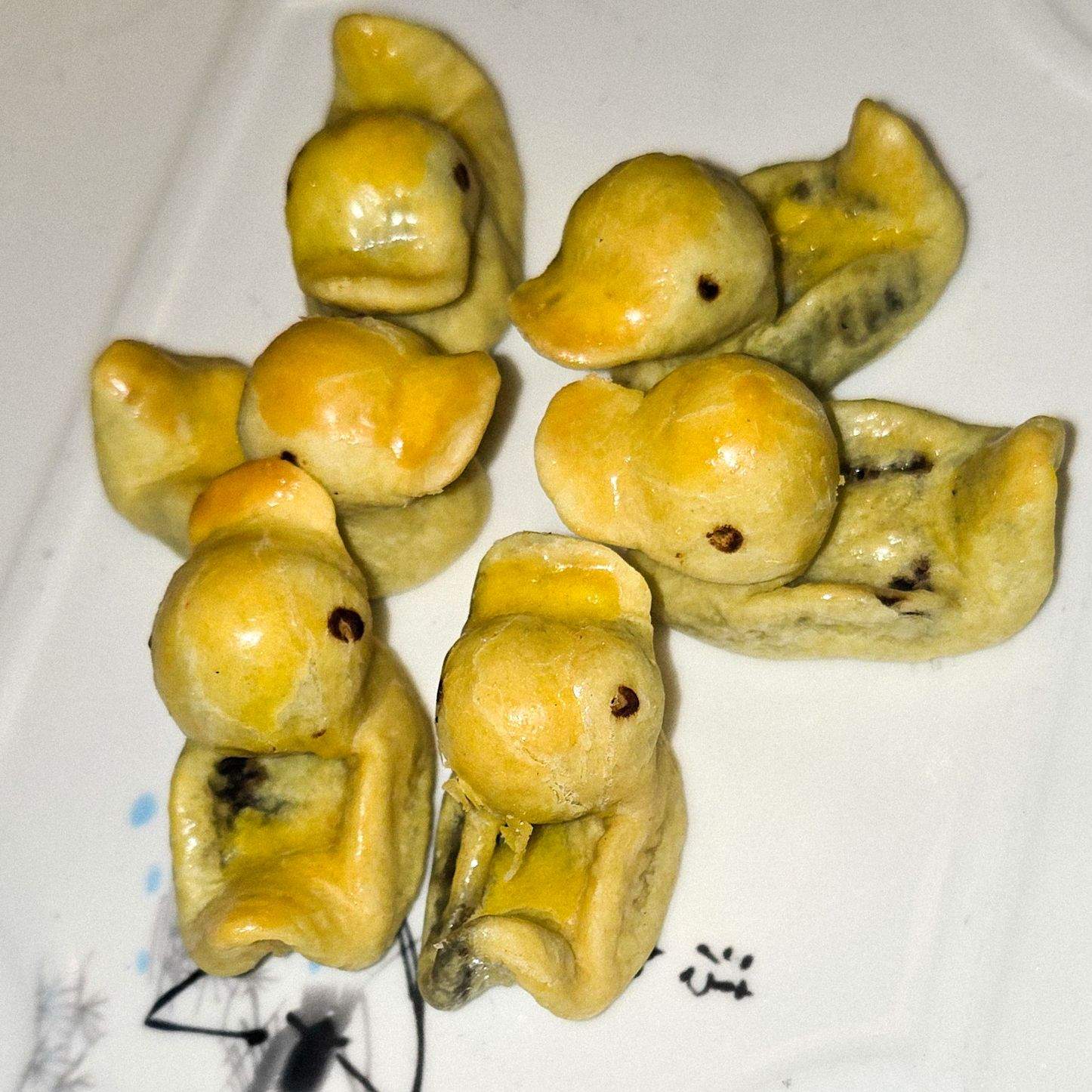
• Duckling-Shaped Pastry Stuffed with Date Paste - Criminally cute. Almost too adorable to eat. Almost.
The Gong Moment
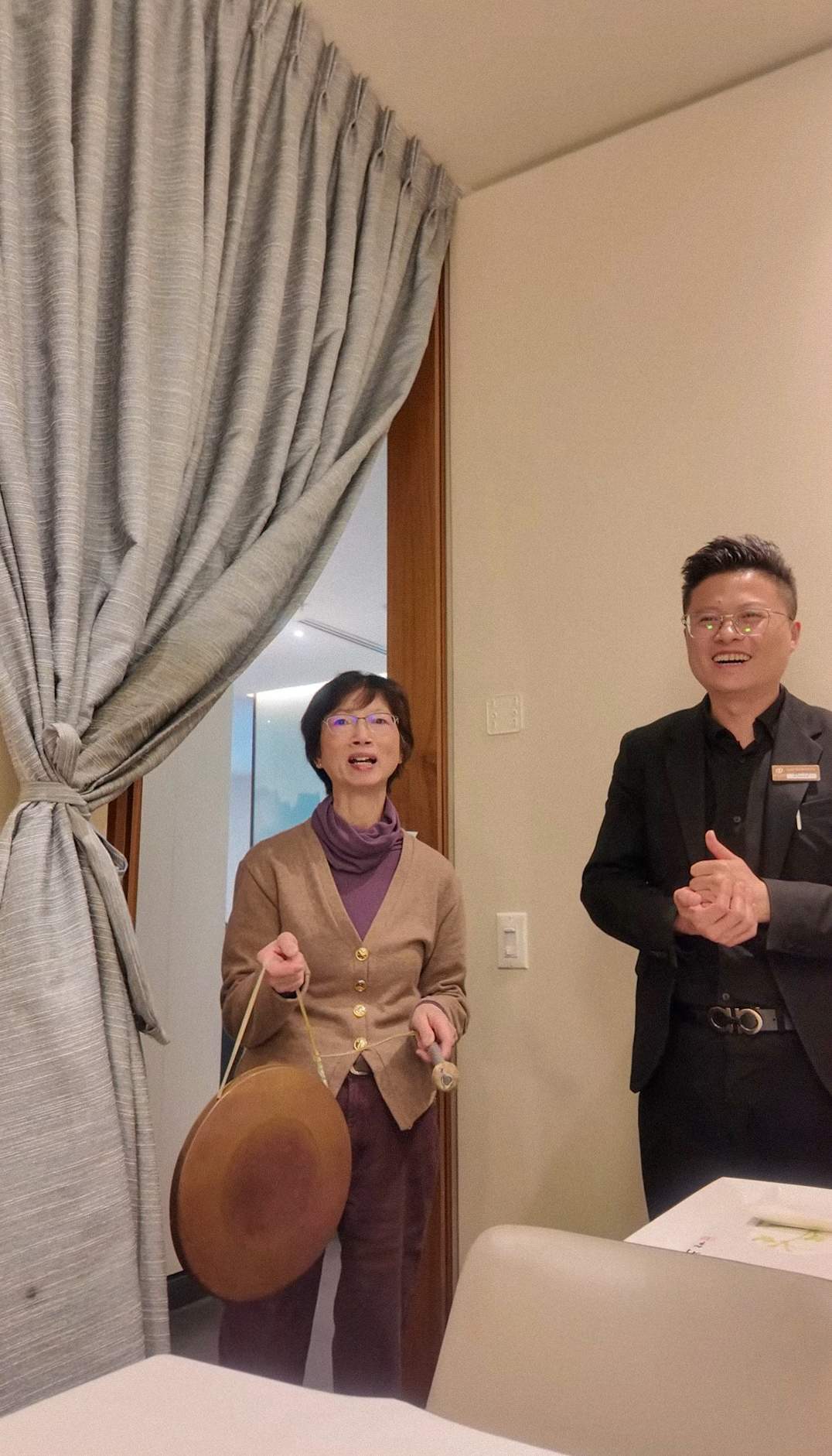
When the Peking duck arrived, Daniel brought out a small gong.
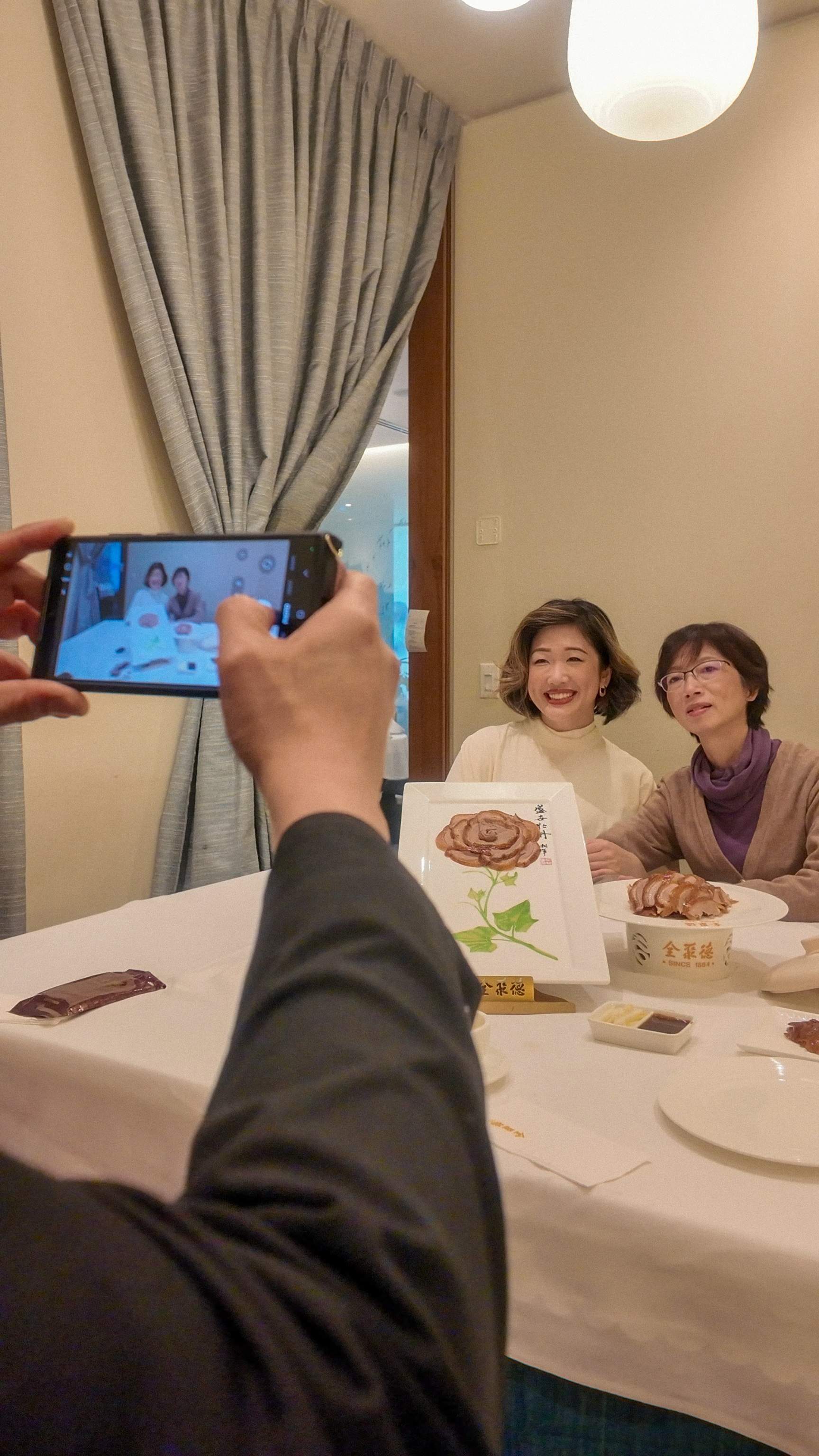
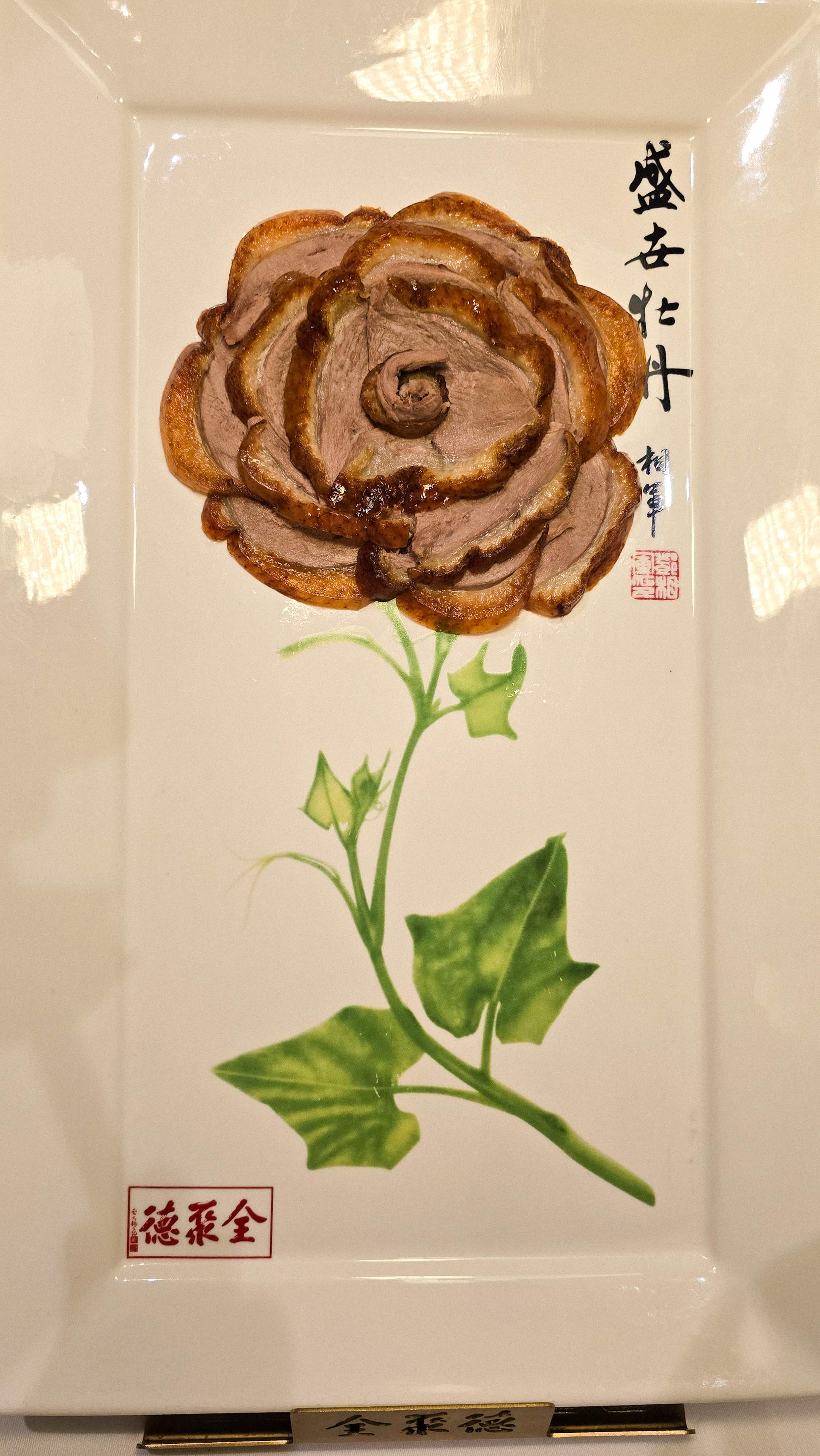
He invited my mom to say a couple of words and give it a tap. She obliged — two sentences, very composed, very dignified — and in came the duck. It was the QJD Premium "Peony Duck" Set: the breast hand-sliced tableside into the shape of a blooming peony flower on a green-leafed white plate. This presentation actually debuted at the 2014 APEC State Banquet at the Beijing Water Cube, where it was served to dignitaries from around the world.
Served with 24 steamed pancakes, sweetened soy bean dipping sauce, leek strips, and cucumber. The full ceremony, right here in Markham.
The Verdict
This was a 5 stars experience! We both said it at the same time on the way out. The skin on the duck was everything it's supposed to be - crackling, lacquered, a deep purplish-red. The meat underneath was perfectly tender. The Mustard Shrimp Balls were a very close second for most memorable dish of the evening.
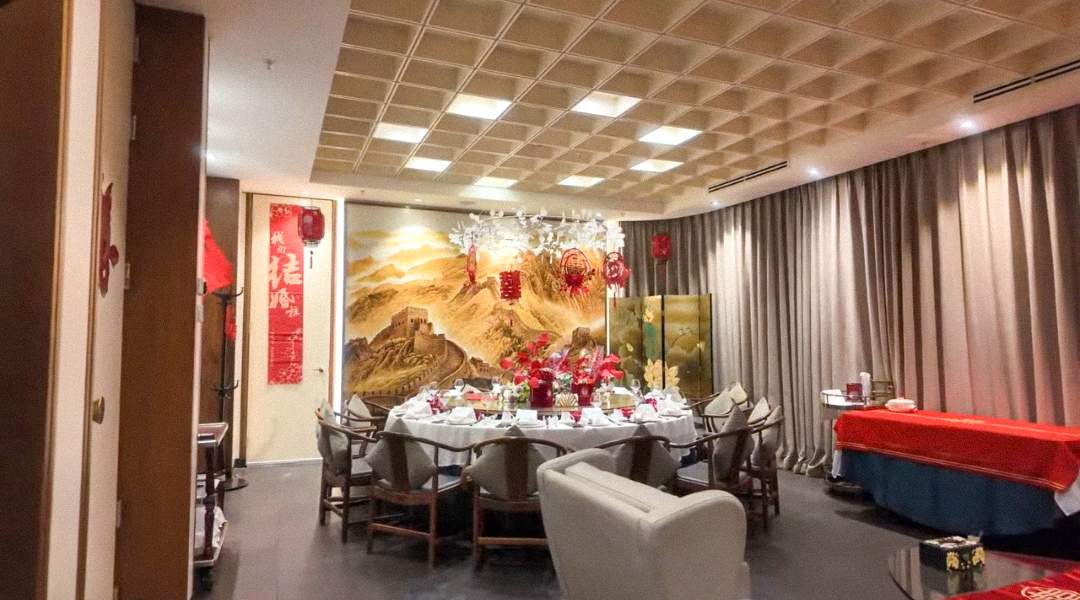
QJD also has a beautiful large banquet room for corporate lunches, business dinners, and larger celebrations - a great private event space in the GTA for Chinese fine dining.
7095 Woodbine Ave, Markham, ON L3R 1A3
Sources and Further Reading
On the history of Peking duck:
Wikipedia: Peking Duck Source for Yuan Dynasty origins, the 1330 imperial cookbook by Hu Sihui, the open hung-oven technique developed during the Qing Dynasty, and the Kissinger 1971 lunch detail.
Modern Farmer: A Brief History of Peking Duck Source for Yuan Dynasty timeline, Bianyifang founding in 1416, and preparation technique overview.
South China Morning Post: Is the Peking Duck Really From Beijing? Source for the Yongle Emperor moving the capital from Nanjing to Beijing in the early 15th century and bringing roast duck with him.
National Foods: National Dish of China, Peking Duck Source for the air-pumping technique and the formal 14th-century documentation by imperial kitchen inspector Hu Sihui.
Foodicles: Peking Duck History Source for the Ming Dynasty cultural significance and the dish being named after Beijing.
La Boucherie: Traditional Peking Duck, Rich in History and in Taste laboucherie.mt/peking-duck-history Source for the Nanjing origins of the dish and early recipe details.
HK Palace: Peking Duck: Six Hundred Years of Roast Duck Source for the multi-day preparation process including air inflation, maltose glaze and overnight drying.
Our China Story: Peking Duck, A Century-Old Recipe for the Future Source for the two main styles of Peking duck: the hung oven method represented by Quanjude and the closed oven method represented by Bianyifang.
Johor Kaki: History of Peking Duck Source for the 108 slices tradition and the open roast versus closed roast technique comparison.
On Quanjude and duck diplomacy:
iDen and Quanjude Official Website quanjude1864.com Source for Quanjude founding in 1864, serving over 200 heads of state and dignitaries, and the 1971 Kissinger visit.
Chili House SF: The History of Peking Duck, An Authentic Delicacy Source for the 12-course Kissinger lunch at Quanjude, Premier Zhou Enlai showing Kissinger how to wrap the duck crepe, and Nixon's 1972 visit to China.
USC Center on Public Diplomacy: Duck Diplomacy Source for the role of Quanjude in Chinese diplomatic history.
Z and Y Peking Duck: The History of Peking Duck Source for the imperial era preparation methods and cultural significance across dynasties.
Disclosure: This was a gifted tasting experience at QJD Peking Duck Markham. All opinions, observations and recommendations in this blog post are entirely my own.